
• Link to Facebook
  • Link to X
  • Link to Youtube
  • Link to Instagram
  • Link to Mail
MEDICAL EMERGENCY? CALL: +1 310 458-WILD(9453)
DONATE
California Wildlife Center
  • Home
  • About Us
    • What We Do
    • Our Team
    • Education
  • Animal Resources
    • Medical Emergency
    • Co-Existing with Wildlife
    • FAQ
    • Animal Profiles
    • Gallery
  • Support Us
    • Ways to Support Us
      • Donate & Support Wildlife
      • Conservation Circle
      • Sponsor an Animal
      • Our Wish List
      • Other Ways to Give
  • Get Involved
    • Employment
    • Volunteer
      • Become a Volunteer
      • Internships
      • Externships
  • Events
  • News & Blog
    • In the News
    • Newsletters
    • Patient of the Week
    • Edison
    • From the Community
    • Videos
    • Gallery
    • Media Requests
  • Contact
  • Store
  • Click to open the search input field Click to open the search input field Search
  • Menu Menu

A Crabby Seal

June 10, 2019/in Marine mammals

By Heather Henderson, Stranding Coordinator
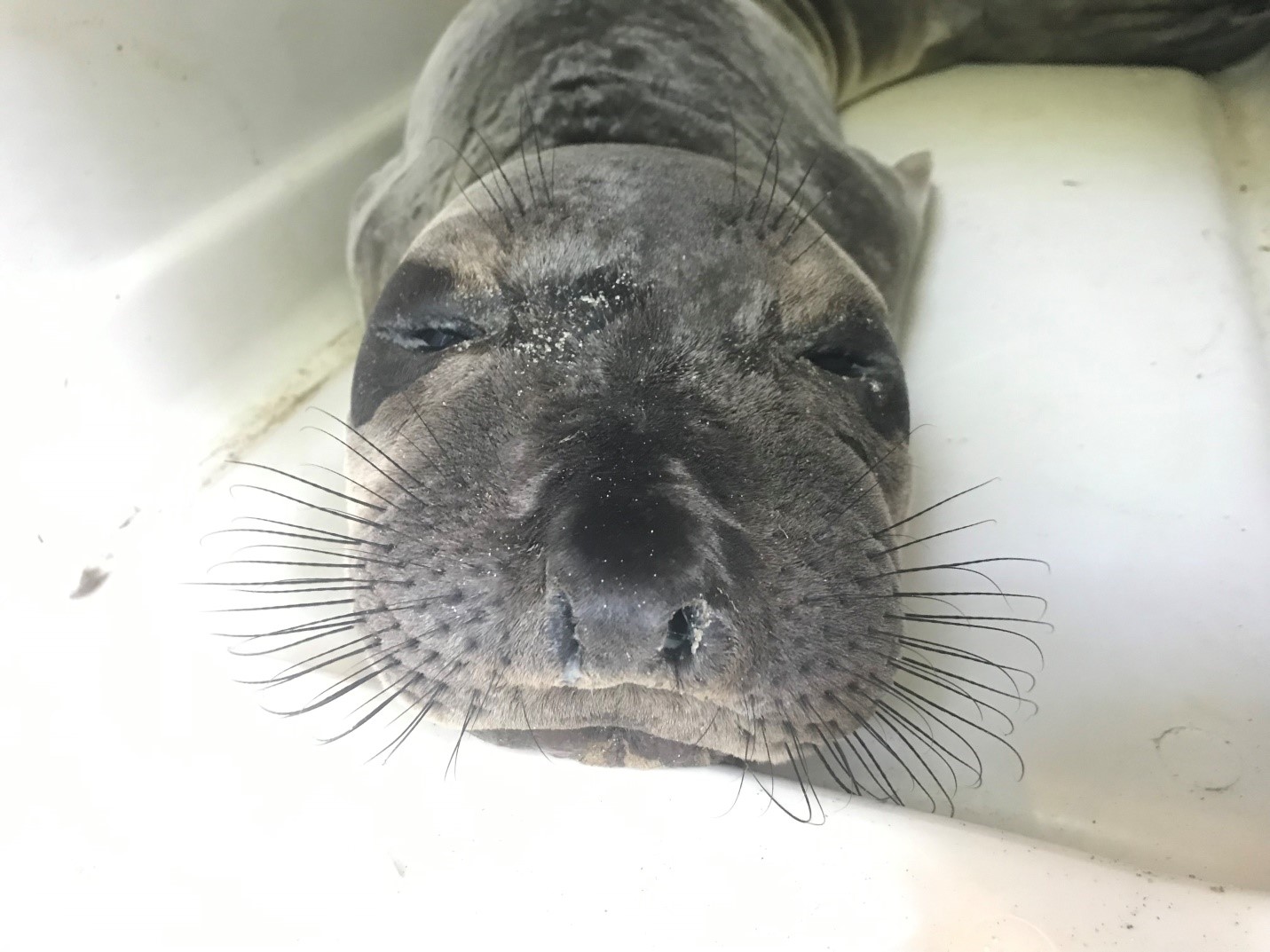
Elephant Seal 97 Before Treatment
Photo by Dr. Stephany Lewis

On April 24th we received a report of an Elephant Seal pup (patient #19-097) under a house on Carbon Beach. When the rescue team arrived, it was determined that she needed to come in for care because her face, particularly the nose and mouth, was severely swollen.  No obvious signs of injuries or trauma were found during the intake examination.  We suspected an allergic reaction to eating toxic red crab.

Our suspicion was confirmed when we flushed her stomach with water and crab parts came back up the feed tube.   As a result of communication and shared information throughout the West Coast Marine Mammal Stranding Network, we knew that large quantities of these crab parts lodged in the stomach could continue to cause trouble for the Elephant Seal – even result in death.  This season, most of the Elephant Seals arriving at CWC have had a small quantity of crab parts in their stomach.  However, #19-097 presented with an extremely large quantity.
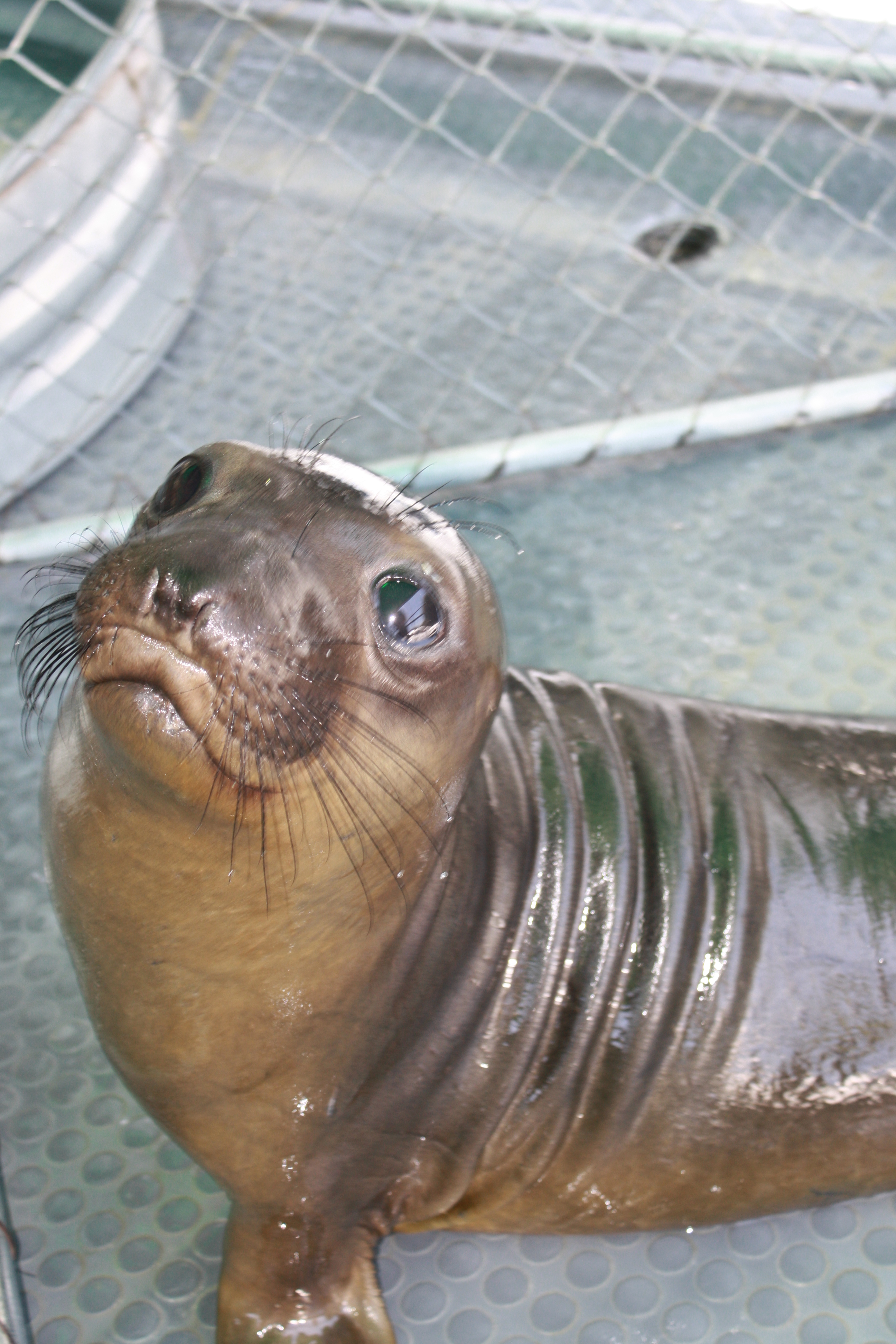
Elephant Seal 97 After Treatment Photo by Heather Henderson

During the first two weeks in care, her stomach was flushed prior to each tube feed, in order to remove the crab parts, and medication was prescribed to address the reaction.  We also delayed introducing whole food, in order to prevent overfilling or distending the stomach.  In addition to any reaction that a patient may experience, the crab parts do not pass through the GI tract quickly and may cause overfilling of the stomach, partially blocking digestion.  In extreme cases, the sharp parts can even tear the lining when able to pass.

Was our approach successful?  YES!  Currently, she weighs 60 kg and her attitude is bright.  Now able to swim down and “catch” fish competitively in the rehab pool, #97’s road to recovery is progressing well.  This Elephant Seal pup patient should find herself back in the ocean by the summer solstice.

Share this entry
  • Share on Facebook
  • Share on X
  • Share on WhatsApp
  • Share on LinkedIn
  • Share on Reddit
  • Share by Mail
https://cawildlife.org/wp-content/uploads/2026/05/CWClogo.png 0 0 protectanimals https://cawildlife.org/wp-content/uploads/2026/05/CWClogo.png protectanimals2019-06-10 21:11:032019-06-10 21:11:20A Crabby Seal

LATEST POSTS

  • The Education Corner: RenestingMay 13, 2026 - 11:40 am
  • Rescuing Stranded Marine Mammals during an Outbreak of Avian InfluenzaMay 13, 2026 - 11:38 am
  • Wild BeginningsMay 13, 2026 - 11:33 am
  • Through Darkness back to FlightMay 13, 2026 - 11:30 am

Contact Us

P.O. Box 2022
Malibu, CA 90265
E-mail: admin@cawildlife.org

Contact Us

P.O. Box 2022
Malibu, CA 90265
Hotline Phone: +1 310 458-WILD (9453)
E-mail: admin@cawildlife.org

DONATE TO CWC
CWC Tax ID#95-4580790

SIGN UP FOR OUR NEWSLETTER

CLICK HERE TO SIGN UP

Quick Links

Privacy Policy
Financials & Legal Info

Join us on Facebook!

Categories

BLOG ARCHIVES

© California Wildlife Center | All Rights Reserved | Webmaster SV3 Designs
  • Link to Facebook
  • Link to X
  • Link to Youtube
  • Link to Instagram
  • Link to Mail
Link to: CWC Cares for Its First Fawn of the Year Link to: CWC Cares for Its First Fawn of the Year CWC Cares for Its First Fawn of the Year Link to: Red-Shouldered Hawk with Anticoagulant Rodenticide Toxicosis Link to: Red-Shouldered Hawk with Anticoagulant Rodenticide Toxicosis Red-Shouldered Hawk with Anticoagulant Rodenticide Toxicosis
Scroll to top Scroll to top Scroll to top

JOIN TODAY


Yes! Keep me updated about the animals at CWC

Enter your email address for the chance to win a private tour of CWC


    Your information will never be shared with a third party