
Wild Beginnings
By Kristen Kanatzar, Hospital Manager
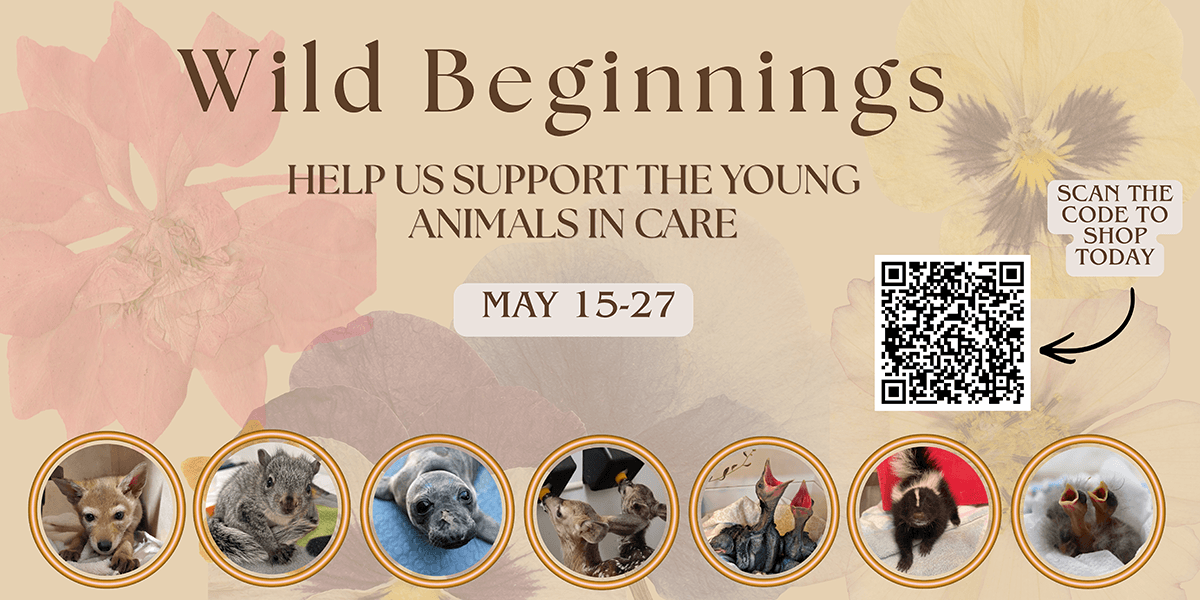
At California Wildlife Center, we care for thousands of injured, orphaned, and sick wild animals each year. Animals are admitted year-round, but there is an influx of patients between March and October, with the majority arriving between March and June. During these months, we take in 30–40 animals daily and respond to over 100 text messages a day, all while balancing the intricate medication and feeding schedules of the animals already in our care.
During our busy season, we see an uptick in all kinds of animals, from the smallest birds to elusive land mammals to marine mammal pups. Our Neonatal Intensive Care Unit (NICU) cares for about 80% of our young wild patients, while the Intensive Care Unit (ICU) supports our most medically sensitive young patients, and the Marine Mammal department cares for our ocean-dwelling patients. Together, we provide lifesaving medical care, interval feedings, and sunup-to-sundown attention to the critical patients who depend on us for survival.
While our adult patients require just as much attention, their care is different and often more medically based. Each young patient needs a specialized diet, scheduled feeding intervals, and daily monitoring to ensure they grow healthy, strong, and ready for their return to the wild.
With expertise across more than 100 species, NICU technicians provide carefully scheduled feedings and track each patient’s development. It isn’t simply feeding, it’s knowing each animal as an individual and understanding exactly what they need to survive and thrive. During peak season, the NICU can house up to 300 patients at a time, each with their own needs and personalities.
Our ICU cares for young terrestrial patients with more sensitive needs who are at increased risk of imprinting if not handled correctly. Because these patients are so delicate, we follow strict protocols to ensure they develop properly and remain wild while in care. Although we receive fewer of these patients, they often stay with us the longest, sometimes up to eight months before they are ready for release.
Our Marine Mammal department rounds out our animal care teams during the busy season. While these patients are much larger than terrestrial babies, they require just as much care and attention, often remaining in care for many months before being cleared for release.
Each season, we care for thousands of wild babies, most arriving between March and June. Together, our team works to provide the best possible care, giving each animal the greatest chance at survival and eventual release. These vulnerable patients rely on us, and we rely on you. Your donations, supplies, and support make this work possible. Please consider supporting our annual Baby Shower through our gift registry.