• Link to Facebook
  • Link to X
  • Link to Youtube
  • Link to Instagram
  • Link to Mail
MEDICAL EMERGENCY? CALL: +1 310 458-WILD(9453)
DONATE
California Wildlife Center
  • Home
  • About Us
    • What We Do
    • Our Team
    • Education
  • Animal Resources
    • Medical Emergency
    • Co-Existing with Wildlife
    • FAQ
    • Animal Profiles
    • Gallery
  • Support Us
    • Ways to Support Us
      • Donate & Support Wildlife
      • Conservation Circle
      • Sponsor an Animal
      • Our Wish List
      • Other Ways to Give
  • Get Involved
    • Employment
    • Volunteer
      • Become a Volunteer
      • Internships
      • Externships
  • Events
  • News & Blog
    • In the News
    • Newsletters
    • Patient of the Week
    • Edison
    • From the Community
    • Videos
    • Gallery
    • Media Requests
  • Contact
  • Store
  • Click to open the search input field Click to open the search input field Search
  • Menu Menu

A Mouse Tale

May 9, 2023/in CWC, Wildlife Medicine

A Southern California Edison biologist brought a rare patient to California Wildlife Center (CWC) this March – a young native Pocket Mouse. This small mammal can be found in chaparral and grasslands from the San Francisco Bay area to Baja California. Brownish gray in color with white bellies, large ears and hind feet, the mouse has a distinctive fur-tipped tail.

Read more
https://cawildlife.org/wp-content/uploads/2026/05/CWClogo.png 0 0 protectanimals https://cawildlife.org/wp-content/uploads/2026/05/CWClogo.png protectanimals2023-05-09 00:02:222023-05-09 00:03:30A Mouse Tale

Thank you!

October 29, 2022/in CWC

By Jennifer Brent, Executive Director

As we head into winter and say good-bye to 2022, I’d like to take a moment to thank you for supporting our work. The last two years have been exceptionally difficult for us as well as for many of you. However, 2022 also brought a return to CWC of our valuable volunteers, many of whom were on hiatus during the peak of the pandemic. We have nearly 200 people who give their time to help the animals and donate over 25,000 hours annually.

And we definitely needed them! In the past 12 months we have received over 4,100 animals in peril. Whether suffering from rodenticide poisoning, trapped in a glue trap, struck by a car, flown into a window, pet caught or orphaned, we have seen a wide range of reasons for intake. It’s important to note that the vast majority of animals that we see are here as a result of humans. Birds don’t fly into trees, but they perceive glass as clear and certainly fly into windows at full force. Foxes don’t run into cars, but when roads are built where animals traditionally crossed for ages, they’re struck by tons of speeding metal.

That’s why we especially appreciate you! The enlightened supporters who recognize that these animals are worth saving! While other people see a hurt bird and say, “oh, it’s just another dove” you say “I can help that bird!” You drive from Lancaster to bring us a baby squirrel that fell from a tree or from Downey with a Band-tailed pigeon. You read our social media posts and ask us how YOU can take action and rid your neighborhood of the ominous black poison traps. You slow down to allow a skunk to cross and you use bird tape to save lives.

Thank you for every step you take to make a difference for animals.

https://cawildlife.org/wp-content/uploads/2026/05/CWClogo.png 0 0 protectanimals https://cawildlife.org/wp-content/uploads/2026/05/CWClogo.png protectanimals2022-10-29 02:27:352022-10-29 02:27:35Thank you!

Marine Mammal Department Enhances the Training Program for Volunteers

January 20, 2022/in CWC, Volunteer

By Heather Henderson, Marine Program Manager

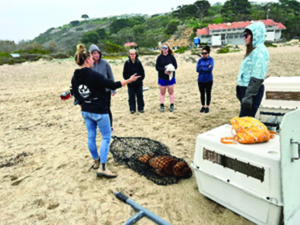
Photo by Kristilee Kodis

CWC responds to hundreds of distressed marine mammals along the Malibu coastline each year, performing rescues when appropriate. The strength and backbone of the program stems from our team of devoted volunteers. Without their countless hours of demanding work, our ability to efficiently investigate reports and care for in-house patients would be hindered. Thus, the higher the skillset of team volunteers, the greater the number of distressed animals that can be offered assistance. Additionally, the experience becomes more rewarding for the individual.

Early fall 2021, we were ecstatic to rollout our new training program for marine mammal volunteers! Historically there was a protocol manual to read and opportunistic observation of skills. Now, for a dozen of the more complex topics, we are implementing interactive training sessions followed by videos for review of each topic to help maintain skills during the slower “off-season”. The first topic covered was RESCUE. This three-hour on-site session included a group presentation followed by skills practice on location. Running drills at the beach while using the same equipment implemented during live animal calls enabled the re-creation of real-life scenarios.

One of the most important variations we practiced was how to adjust a response technique for different species. There are five species of pinnipeds (seals and sea lions) in SoCal. Most years we see three or four of them, however in 2021 our team responded to all five pinniped species, which only happened one other time in our 23-year history. The marine mammal rescue team also responded to eighteen other species including dolphins, marine birds – shore birds and offshore pelagic birds and a sea turtle. Having the opportunity to practice these augmentations in approach is invaluable to prepare new team members for challenges to come, while refreshing skills for veterans and forging bonds between them.

With the success of our fall rollout, the marine program staff is looking forward to continuing in 2022.

https://cawildlife.org/wp-content/uploads/2026/05/CWClogo.png 0 0 protectanimals https://cawildlife.org/wp-content/uploads/2026/05/CWClogo.png protectanimals2022-01-20 00:07:362022-02-15 17:55:33Marine Mammal Department Enhances the Training Program for Volunteers

Enclosure Expansion Excitement at CWC

January 20, 2022/in CWC

By Denys Hemen, Hospital Manager

Photo by Denys Hemen

Spring and summer are fast paced and exciting at CWC. Patients pour in through the doors and we never know what surprises await us each day. This time of year, all our focus is on the thousands of wild animals we receive that need our help. But as fall arrives, our patient load drops, and we can focus on other things like construction and remodeling. This year, we may have overdone it a little! My hardworking partner Brett and I have three major enclosures to construct and a kitchen/laundry room to create. Just writing about them makes me exhausted.

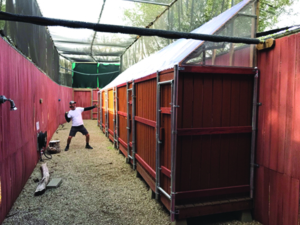
Our first project is a 4ft wide and 40ft long outdoor enclosure that allows our raptor patients some privacy away from humans while still recovering from what ails them. Divided into five 8ft x 4ft holding areas, this enclosure is a middle step between being in a small enclosure inside our clinic and going into a large aviary. It allows us to continue to medicate if needed but at the same time allow for fresh air, sunshine, more room to move around, and freedom from humans’ constant presence. The funding for this project was provided by Third District Supervisor, Sheila Kuehl.

Photo by Denys Hemen

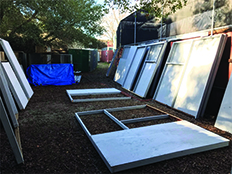
Up next is an aviary complex that includes a 32ft x 8ft x 8ft songbird aviary and a 20ft x 8ft songbird aviary that can be divided into up to 5 separate enclosures. They will be bright and airy, complete with a roosting area, privacy walls, and plenty of room for perching. Most of the wood used in this project once covered the windows of Los Angeles businesses during the social justice protests of last summer. This donated wood saved us hundreds of dollars and kept good lumber out of landfills. Our smaller current songbird aviary complex will be torn down to make room for our new 20ft x20ft mammal enclosure that will house bobcats, coyotes, and foxes!

Last but not least, we will be converting an underutilized space (very rare for CWC!) inside the building into a much needed, second laundry and food prep area.

If you want to donate to support any of these projects, check out our website at www.cawildlife.org. You can also purchase construction related items by clicking the “support us” tab on the website and look for our Amazon Wishlist. Time for a nap! Take care y’all.

https://cawildlife.org/wp-content/uploads/2026/05/CWClogo.png 0 0 protectanimals https://cawildlife.org/wp-content/uploads/2026/05/CWClogo.png protectanimals2022-01-20 00:04:472022-01-20 00:04:47Enclosure Expansion Excitement at CWC

What Was ICU Up To In 2021?

January 20, 2022/in Birds, CWC, Marine mammals, Terrestrial Animals

By Jenn Guess, Development Manager
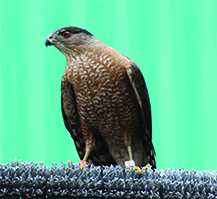
Photo by Cambria Wells

2021 was quite a year here at California Wildlife Center (CWC). This past year we had 4,013 animals come to our facility. Our Wildlife Technicians are directly responsible for the care of our patients and every patient that came through our doors was assessed by the technicians in the Intensive Care Unit (ICU). Animals were carefully examined to determine the best course of action for rehabilitation. Sometimes it was as simple as providing fluids and moving the patient to our Orphan Care Unit for supportive care. For adult animals, it was often more complex.

Our ICU technicians didn’t stop after the initial intake exam. They were responsible for the daily care and rehabilitation of thousands of patients during 2021. This was a huge undertaking, especially considering that we continued to operate with minimal help due to the persistence of Covid-19. Our technicians provided extensive wound care, splinted fractures, and administered a complex array of medications to treat infections, reduce swelling, and provide pain management.
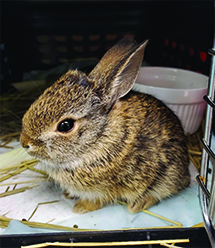
Photo by Brittany Moser

Coronavirus did not slow down the influx of new animals showing up each day. Our busiest day was May 31st, where ICU technicians received 42 new patients in one day. The second busiest day was April 26th, with 40 new patients. We always know that Spring and early Summer are the most hectic months there at CWC. From April through June we admitted 1,771 patients, 44% of all animals received for care in 2021. Overall, we saw an increase in the number of patients from 2020. We admitted over 200 more patients in 2021, compared to the previous year. Since opening our doors in 1998, the need for care has increased steadily every year except 2020 (likely due to the arrival of Covid).
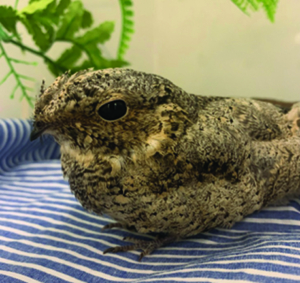
Photo by Jenn Guess

Technicians saw a variety of animals this past year, with 160 different species making their way through our doors. The five most common patients that the ICU technicians examined were, in decreasing order, Eastern Fox Squirrels, Mourning Doves, House Finches, Mallards, and American Crows. Some of the more uncommon species were a Red-breasted Sapsucker, Lesser Scaup, Black-throated Gray Warbler, Western Pond Turtle, and an American White Pelican.

Now that it’s Winter, the ICU technicians are eagerly preparing for the next busy season. In addition to an endless list of smaller tasks, they are deep cleaning the ICU kitchen, repairing enclosures, and reorganizing supplies, all while continuing to perform daily intake exams and care for existing patients on site. It’s a job that is never done, and CWC is very fortunate to have a staff of dedicated technicians who are up for the challenge.

https://cawildlife.org/wp-content/uploads/2026/05/CWClogo.png 0 0 protectanimals https://cawildlife.org/wp-content/uploads/2026/05/CWClogo.png protectanimals2022-01-20 00:00:382022-01-20 00:00:38What Was ICU Up To In 2021?

Welcome to Dr. Guthrum Purdin

September 10, 2020/2 Comments/in CWC

By Jennifer Brent, Executive Director

Dr. Purdin

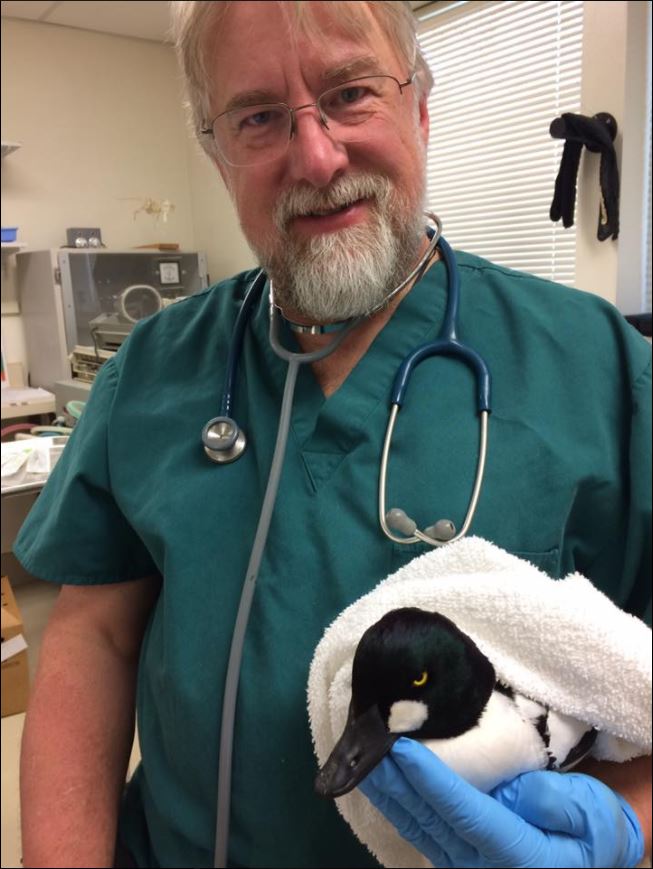
We are excited to welcome Dr. Guthrum Purdin as our new Veterinarian in October. He is a renowned wildlife rehabilitator and authority on the animals of California. Guthrum is no stranger to CWC either, having worked at CWC in 2001, one of our earliest years.

More recently, he was at the Wildlife Care Association in Sacramento as their Wildlife Vet­erinarian and as the Veterinarian at the Wildlife Center of Silicon Valley. He also served as Director of Veterinary Services for Lindsay Wildlife Experience until 2017. Guthrum worked at The Marine Mammal Center in Sausalito, where he was active for 18 years. With over 20 years of experience with wild animals, we are fortunate to have hired such an exceptional veterinarian. Guthrum has his BS in Marine Biology from San Francisco State University and his DVM from the University of California, Davis.

Guthrum is also a well-known author of several authoritative chapters in reference books for the industry and is considered an expert in the rearing of several species of song­birds. Dr. Purdin teaches wildlife medicine through both lectures and writing and has contributed to books and scientific papers. Most recently, he co-wrote and co-edited the fourth volume of National Wildlife Rehabilitators Association’s “Topics in Wildlife Medicine” manual on Orthopedics.

Prior to working with animals professionally, Guthrum made his living as a jeweler and then a movie propmaker in Hollywood, before deciding to pursue a full-time career in veterinary medicine and wildlife rehabilitation.

We very much look forward to having this highly esteemed and experienced Veterinarian on our team.

https://cawildlife.org/wp-content/uploads/2026/05/CWClogo.png 0 0 protectanimals https://cawildlife.org/wp-content/uploads/2026/05/CWClogo.png protectanimals2020-09-10 16:04:342020-09-10 16:04:34Welcome to Dr. Guthrum Purdin

Covid-19 & CWC

June 8, 2020/in Community, CWC

By Jennifer Brent, Executive Director

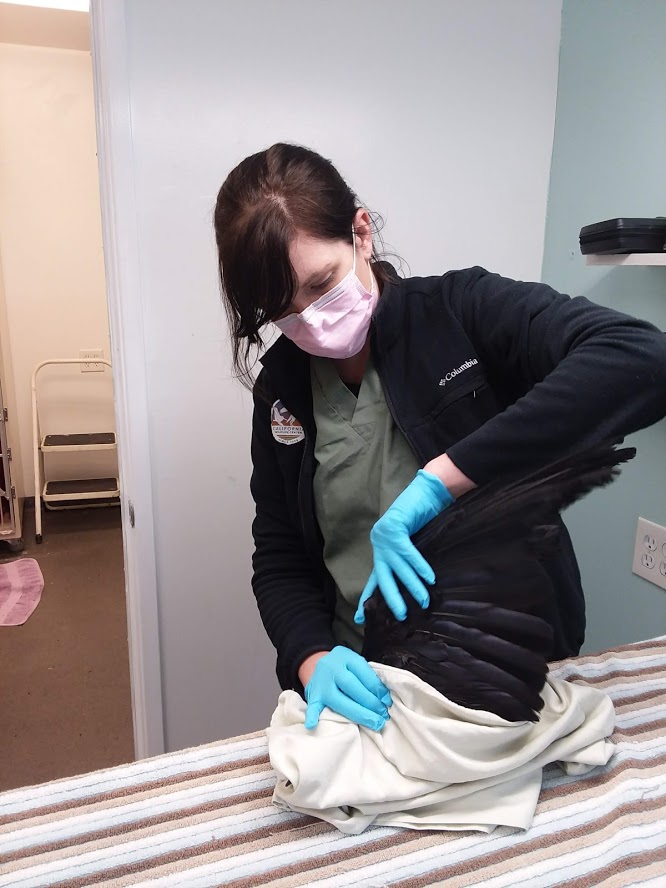
Dr. Stephany Lewis examines a Raven while wearing a mask
Photo by Heather Patrice Brown

Like everyone in the world, we have been impacted by Coronavirus at California Wildlife Center. While many of its effects have been negative, it has surely shown us how resilient we are, and how much amazing support we have in the community.

We have had to discontinue the use of volunteers as we cannot support social distancing with the numbers of people we usually have on site. Our legions of interns from around the country who join us each summer to learn about wildlife hus­bandry have been asked to stay home. The extern program, which enables vet school students to work with Dr. Lewis, has been put on indefinite hiatus. However, we have also had some outstanding volunteers who have made us masks at home, who have brought us donations and snacks, created educational videos, and others who are assisting with bringing us animals from the shelters. We enjoy receiving their emails of encouragement and letting us know how much they miss the animals.

We have had five staffers out sick for extended periods, although thankfully none tested COVID-positive. Administrative staff have been working from their homes to minimize the number of people at CWC. For staff that is on site, masks are worn, social distancing is supported and temperatures are taken twice daily for all. We are bleaching all common surfaces three times a day and taking multiple other steps to keep everyone healthy.

Those of us who are here are focused on one thing-helping the patients. We all are doing laundry, preparing diets, mopping floors and feeding the hundreds of animals on site.

We’ve modified our intake procedures to support social distancing. Members of the public are asked to text all pertinent information rather than speak directly to staff on site. Unfortunately, this has also resulted in a reduction of our income as we often have rescuers offer a donation when they bring us an animal.

With stay-at-home orders, fewer people are outside, and we’ve also had a decline in the number of overall animals. It’s unclear whether that’s a result of a reduction in number of animals being injured by people or if they’re being injured at the same rate and just not being assisted and brought to us. With many of the local animal shelters closed, we are also receiving fewer injured or ill animals from them. Currently we are -29% intake numbers year to date. Spring and Summer are our busiest times and it’s difficult to judge where we will end up for the year. Our marine mammal program has responded to half of the number of calls as in 2019. Our belief is that, with homeowners and lifeguards on site, that this is simply a light year for strandings.

What we are certain of is that California Wildlife Center will endure through this crisis and continue to be here for the animals and residents of Southern California.

https://cawildlife.org/wp-content/uploads/2026/05/CWClogo.png 0 0 protectanimals https://cawildlife.org/wp-content/uploads/2026/05/CWClogo.png protectanimals2020-06-08 20:18:062020-06-09 17:55:21Covid-19 & CWC

A Peek Inside California Wildlife Center’s ICU

May 14, 2020/4 Comments/in Birds, CWC, Wildlife Medicine

Join us each week as we look at different areas of California Wildlife Center. This week, enjoy a peek inside the Intensive Care Unit!

Each video comes with a children’s activity.  Click here for a hidden picture seek and find.

https://cawildlife.org/wp-content/uploads/2026/05/CWClogo.png 0 0 protectanimals https://cawildlife.org/wp-content/uploads/2026/05/CWClogo.png protectanimals2020-05-14 17:36:402020-05-14 21:21:34A Peek Inside California Wildlife Center’s ICU

Explore CWC’s Marine Mammal Rehabilitation Facility

May 7, 2020/in CWC, Marine mammals

Join us each week as we look at different areas of California Wildlife Center. This week, enjoy a look inside the Marine Mammal Rehabilitation Center!

Each video comes with a children’s activity.   Click Here for an Ocean Animals word search and coloring page.

https://cawildlife.org/wp-content/uploads/2026/05/CWClogo.png 0 0 protectanimals https://cawildlife.org/wp-content/uploads/2026/05/CWClogo.png protectanimals2020-05-07 18:49:122020-05-07 18:54:13Explore CWC’s Marine Mammal Rehabilitation Facility

A Visit to CWC’s Orphan Care Unit

April 30, 2020/in Birds, CWC, Terrestrial Animals

Join us each week as we look at different areas of California Wildlife Center. This week, enjoy a look inside the Orphan Care Unit!

Each video comes with a children’s activity.   Click Here for an Orphaned Animals Word Search.

https://cawildlife.org/wp-content/uploads/2026/05/CWClogo.png 0 0 protectanimals https://cawildlife.org/wp-content/uploads/2026/05/CWClogo.png protectanimals2020-04-30 17:41:452020-04-30 17:43:32A Visit to CWC’s Orphan Care Unit
Page 4 of 7«‹23456›»

LATEST POSTS

  • The Education Corner: RenestingMay 13, 2026 - 11:40 am
  • Rescuing Stranded Marine Mammals during an Outbreak of Avian InfluenzaMay 13, 2026 - 11:38 am
  • Wild BeginningsMay 13, 2026 - 11:33 am
  • Through Darkness back to FlightMay 13, 2026 - 11:30 am

Contact Us

P.O. Box 2022
Malibu, CA 90265
E-mail: admin@cawildlife.org

Contact Us

P.O. Box 2022
Malibu, CA 90265
Hotline Phone: +1 310 458-WILD (9453)
E-mail: admin@cawildlife.org

DONATE TO CWC
CWC Tax ID#95-4580790

SIGN UP FOR OUR NEWSLETTER

CLICK HERE TO SIGN UP

Quick Links

Privacy Policy
Financials & Legal Info

Join us on Facebook!

Categories

BLOG ARCHIVES

© California Wildlife Center | All Rights Reserved | Webmaster SV3 Designs
  • Link to Facebook
  • Link to X
  • Link to Youtube
  • Link to Instagram
  • Link to Mail
Scroll to top Scroll to top Scroll to top

JOIN TODAY


Yes! Keep me updated about the animals at CWC

Enter your email address for the chance to win a private tour of CWC


    Your information will never be shared with a third party