
• Link to Facebook
  • Link to X
  • Link to Youtube
  • Link to Instagram
  • Link to Mail
MEDICAL EMERGENCY? CALL: +1 310 458-WILD(9453)
DONATE
California Wildlife Center
  • Home
  • About Us
    • What We Do
    • Our Team
    • Education
  • Animal Resources
    • Medical Emergency
    • Co-Existing with Wildlife
    • FAQ
    • Animal Profiles
    • Gallery
  • Support Us
    • Ways to Support Us
      • Donate & Support Wildlife
      • Conservation Circle
      • Sponsor an Animal
      • Our Wish List
      • Other Ways to Give
  • Get Involved
    • Employment
    • Volunteer
      • Become a Volunteer
      • Internships
      • Externships
  • Events
  • News & Blog
    • In the News
    • Newsletters
    • Patient of the Week
    • Edison
    • From the Community
    • Videos
    • Gallery
    • Media Requests
  • Contact
  • Store
  • Click to open the search input field Click to open the search input field Search
  • Menu Menu

Looking Forward to the 2018 Marine Mammal Stranding Season – What can we expect?

November 14, 2017/in Marine mammals

By Heather Henderson, Marine Stranding Coordinator
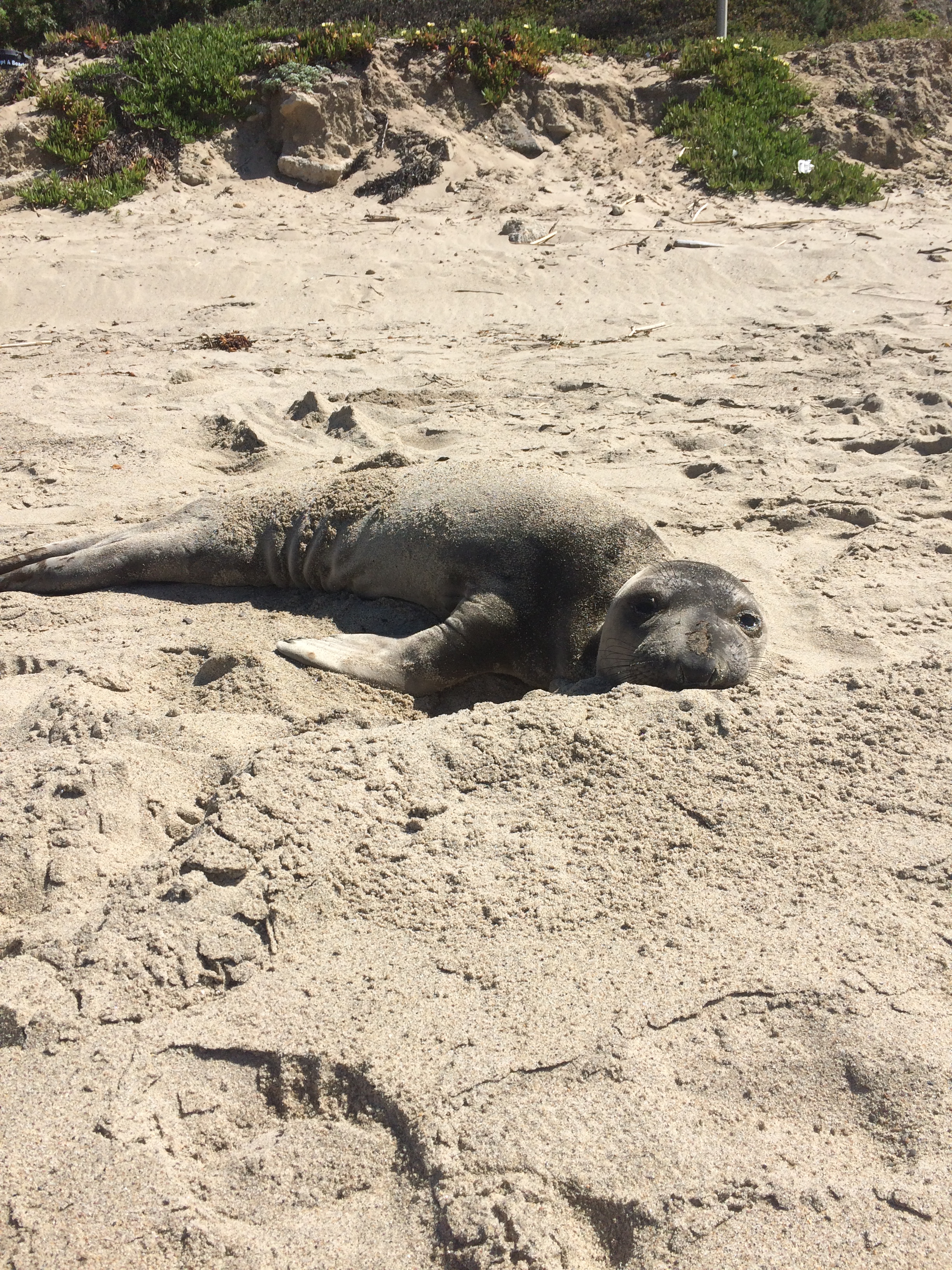
Underweight northern elephant seal pup – tossing sand on the back is a normal behavior

California Wildlife Center responds to reports of stranded marine mammals 365 days a year.  Due to birthing cycles and species-specific behaviors, there is a certain predictability to the stranding pattern. We use this pattern to approximate supply and personnel needs.   Pinnipeds, such as seals and sea lions, are the primary patients we rescue and care throughout the year.   For our region, the busiest stranding months during a “normal” year are March through May, with a quick buildup and drop off at the beginning and end.  However, over the past half-decade, we have not experienced many normal years.

We look at many factors attempting to predict workload and intensity of stranding patterns as we prepare for the upcoming rehabilitation season.  We look at information from the rookeries where the animals are born and weather predictions to gain a glimpse into the future.
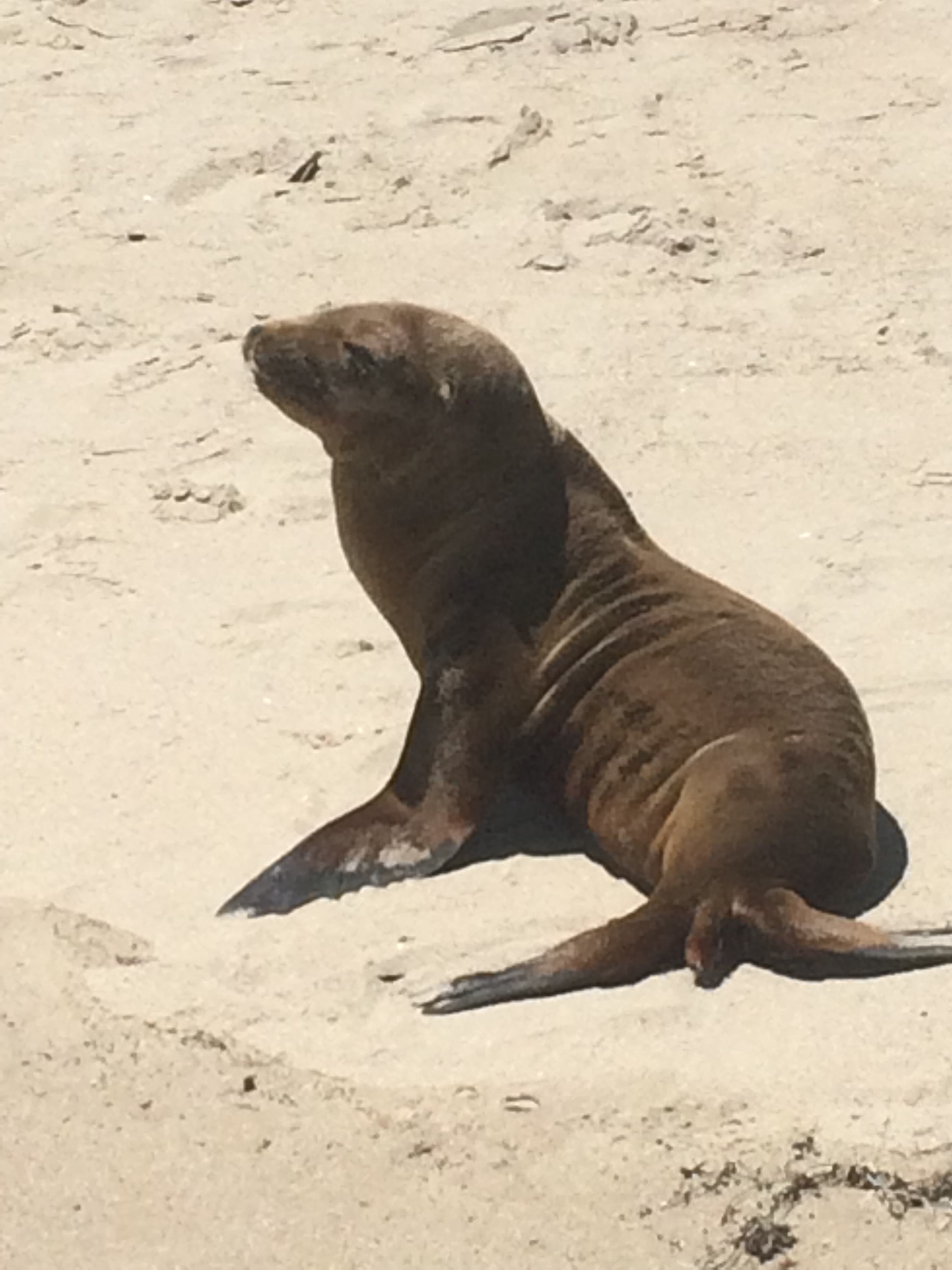
Underweight California sea lion pup – bones of spinal column visible

Population biologists head out to the breeding islands each fall to assess the health of the current season’s cohort.  They document an approximate number of births along with current body weight of pups and their overall condition.  Preliminary findings for California sea lion pups are reassuring, with weights reported to be approaching the healthy range and total number of births to be average.   Northern elephant seal pups have not been born yet.  They are born primarily in January and February, so we will receive their status update later.

Weather patterns have a profound effect on our pinniped populations and their likelihood of stranding.  Storms can flush young animals from the beach before they are ready to head out in to the ocean.  Warmer sea surface temperatures can shift food stocks (fish) farther off shore or into deeper waters. This presents challenges for young animals who are not able to dive as deep.  Foraging mothers need to travel further off shore to feed, leaving their pups for longer periods of time between nursing sessions.  Heavy rains increase coastal pollution through runoff, and can contribute to toxic algal blooms, leading to less safe ocean environment for all marine life, as well as humans.

Early weaned California sea lion pups will start to show up on our Malibu beaches in December.   Northern elephant pups will start to haul out on our beaches in March.  Please give them space to rest and call our rescue hotline (310) 458.9453   Thanks to the amazing team of marine mammal volunteers, and all who generously donate to California Wildlife Center, we enter the 2018 season ready to respond!

Share this entry
  • Share on Facebook
  • Share on X
  • Share on WhatsApp
  • Share on LinkedIn
  • Share on Reddit
  • Share by Mail
https://cawildlife.org/wp-content/uploads/2026/05/CWClogo.png 0 0 protectanimals https://cawildlife.org/wp-content/uploads/2026/05/CWClogo.png protectanimals2017-11-14 22:23:092017-11-14 22:27:27Looking Forward to the 2018 Marine Mammal Stranding Season – What can we expect?

LATEST POSTS

  • The Education Corner: RenestingMay 13, 2026 - 11:40 am
  • Rescuing Stranded Marine Mammals during an Outbreak of Avian InfluenzaMay 13, 2026 - 11:38 am
  • Wild BeginningsMay 13, 2026 - 11:33 am
  • Through Darkness back to FlightMay 13, 2026 - 11:30 am

Contact Us

P.O. Box 2022
Malibu, CA 90265
E-mail: admin@cawildlife.org

Contact Us

P.O. Box 2022
Malibu, CA 90265
Hotline Phone: +1 310 458-WILD (9453)
E-mail: admin@cawildlife.org

DONATE TO CWC
CWC Tax ID#95-4580790

SIGN UP FOR OUR NEWSLETTER

CLICK HERE TO SIGN UP

Quick Links

Privacy Policy
Financials & Legal Info

Join us on Facebook!

Categories

BLOG ARCHIVES

© California Wildlife Center | All Rights Reserved | Webmaster SV3 Designs
  • Link to Facebook
  • Link to X
  • Link to Youtube
  • Link to Instagram
  • Link to Mail
Link to: Operation Hummer: The Not-So-Tiny World of Hummingbird Care at CWC Link to: Operation Hummer: The Not-So-Tiny World of Hummingbird Care at CWC Operation Hummer: The Not-So-Tiny World of Hummingbird Care at CWC Link to: Orphan Care Unit 2017 Wrap Up Link to: Orphan Care Unit 2017 Wrap Up Orphan Care Unit 2017 Wrap Up
Scroll to top Scroll to top Scroll to top

JOIN TODAY


Yes! Keep me updated about the animals at CWC

Enter your email address for the chance to win a private tour of CWC


    Your information will never be shared with a third party