
• Link to Facebook
  • Link to X
  • Link to Youtube
  • Link to Instagram
  • Link to Mail
MEDICAL EMERGENCY? CALL: +1 310 458-WILD(9453)
DONATE
California Wildlife Center
  • Home
  • About Us
    • What We Do
    • Our Team
    • Education
  • Animal Resources
    • Medical Emergency
    • Co-Existing with Wildlife
    • FAQ
    • Animal Profiles
    • Gallery
  • Support Us
    • Ways to Support Us
      • Donate & Support Wildlife
      • Conservation Circle
      • Sponsor an Animal
      • Our Wish List
      • Other Ways to Give
  • Get Involved
    • Employment
    • Volunteer
      • Become a Volunteer
      • Internships
      • Externships
  • Events
  • News & Blog
    • In the News
    • Newsletters
    • Patient of the Week
    • Edison
    • From the Community
    • Videos
    • Gallery
    • Media Requests
  • Contact
  • Store
  • Click to open the search input field Click to open the search input field Search
  • Menu Menu

Avian Conservation in Australia: Doing it Right

February 6, 2018/1 Comment/in Birds

by Jennifer Brent, Executive Directors
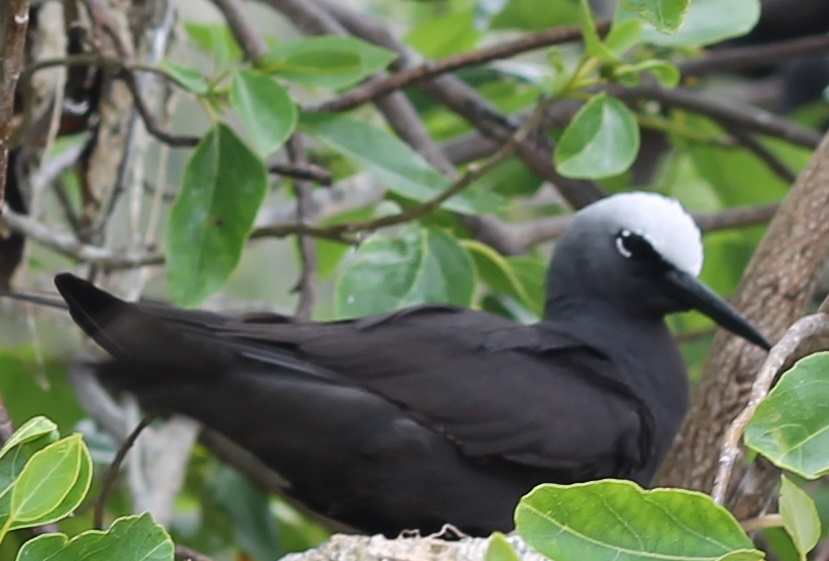
Black Noddy, Photo by Jennifer Brent

During our recent slow season, I was fortunate to be able to spend a week at Heron Island in the Great Barrier Reef. As well as being a nesting spot for Loggerhead and Green Turtles, Heron Island is home to a wide variety of bird species. At certain points in the year, as many as 100,000 birds can be found on this tiny 72-acre island.  The sight, sound and smell of so many birds was amazing—even for someone used to seeing birds close up.  Egrets, gulls, sea eagles, doves, rails, terns, cormorants, cuckoos and, of course, herons are all over the island and easily viewed.

In December when I was there, the black noddy was nesting. There seemed to be thousands in the trees, creating unique nests made of leaves in every nook and cranny of every Pisonia Grandis tree. This tree, also known as the “Grand Devil’s-Claws” has sticky berries that grow at the same time as the birds are nesting.

As well as providing a nesting spot for the birds, the tree was also the birds’ mortal enemy. Every day, we would see black noddies covered with berries and sticks from the tree. The noddies would start with just a few sticks, and then grounded, quickly be covered with the sticky substances from the tree. Unable to pull them off, the birds quickly perished from starvation and their bodies littered the island floor. We were cautioned by the naturalists on the island to not interfere with the wildlife and the natural cycle of life where we were the interlopers.
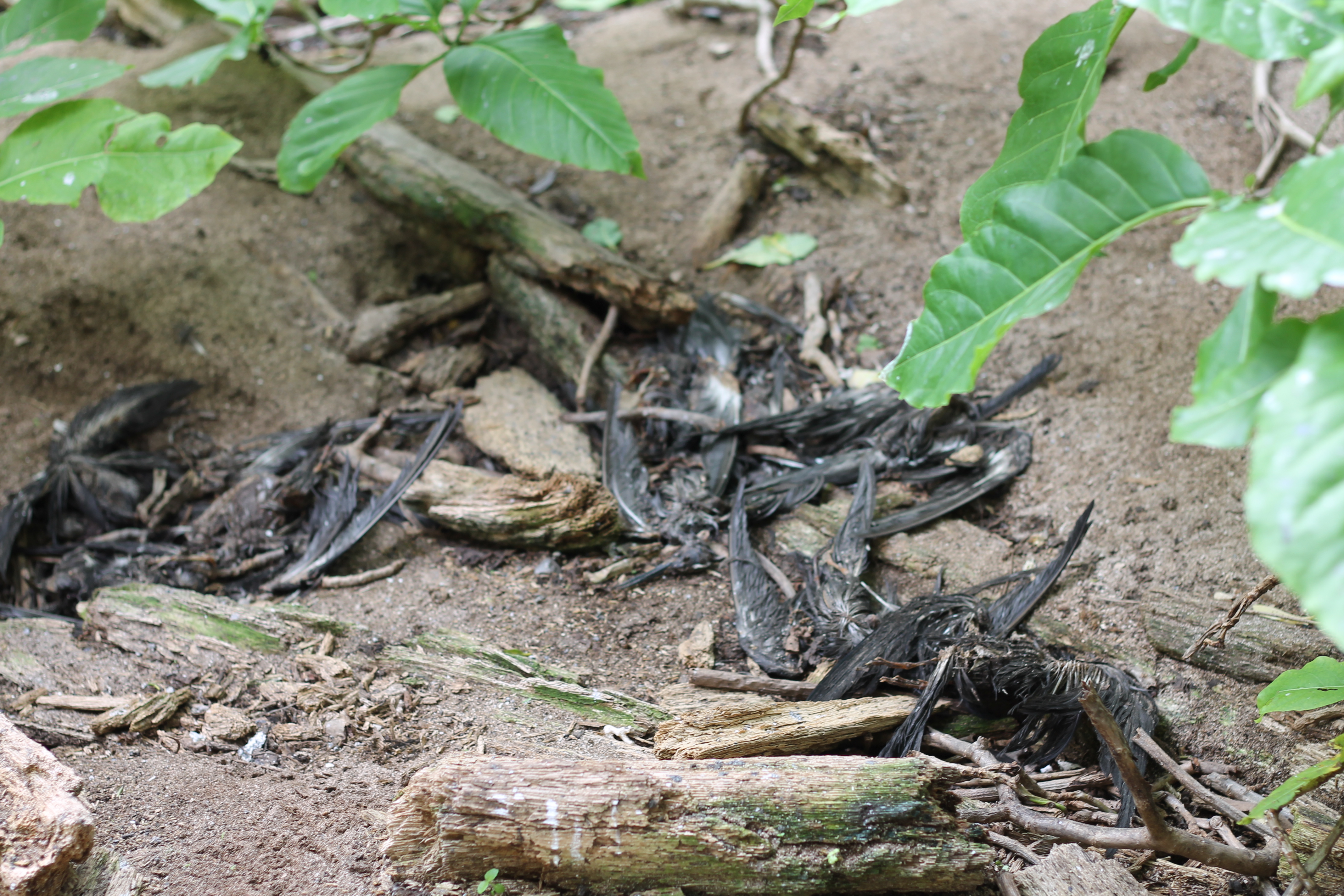
Victims of the Pisonia Grandis Tree, Photo by Jennifer Brent

Seeing the visitors’ respect for the animals and the instructions of the naturalists on island was truly impressive. There was only one occasion when humans interfered with animals–a nesting female Loggerhead Turtle had gotten lost and swum into the salt water pool instead of the ocean, 50 feet away.  She was quickly relocated back to the sand.

The reverence and respect that Australians show to their native animals is unlike anything I’ve seen elsewhere in the world. They have seen first-hand the devastation caused by the introduction of non-native species on their flora and fauna and want to preserve their natural habitat as much as possible.


Share this entry
  • Share on Facebook
  • Share on X
  • Share on WhatsApp
  • Share on LinkedIn
  • Share on Reddit
  • Share by Mail
https://cawildlife.org/wp-content/uploads/2026/05/CWClogo.png 0 0 protectanimals https://cawildlife.org/wp-content/uploads/2026/05/CWClogo.png protectanimals2018-02-06 16:41:062018-02-06 16:47:45Avian Conservation in Australia: Doing it Right
1 reply
  1. claudia
    claudia says:
    February 8, 2018 at 8:06 pm

    Lovely story! Thank you for sharing. I have wanted to go to this island for years and then recently Sir David Attenborough had a Smithsonian documentary about Heron island covering the black noddy – OMG! their night flights were incredibly funny but amazing the lengths they go to feed their babies. Love animals. Thank you!

Comments are closed.

LATEST POSTS

  • The Education Corner: RenestingMay 13, 2026 - 11:40 am
  • Rescuing Stranded Marine Mammals during an Outbreak of Avian InfluenzaMay 13, 2026 - 11:38 am
  • Wild BeginningsMay 13, 2026 - 11:33 am
  • Through Darkness back to FlightMay 13, 2026 - 11:30 am

Contact Us

P.O. Box 2022
Malibu, CA 90265
E-mail: admin@cawildlife.org

Contact Us

P.O. Box 2022
Malibu, CA 90265
Hotline Phone: +1 310 458-WILD (9453)
E-mail: admin@cawildlife.org

DONATE TO CWC
CWC Tax ID#95-4580790

SIGN UP FOR OUR NEWSLETTER

CLICK HERE TO SIGN UP

Quick Links

Privacy Policy
Financials & Legal Info

Join us on Facebook!

Categories

BLOG ARCHIVES

© California Wildlife Center | All Rights Reserved | Webmaster SV3 Designs
  • Link to Facebook
  • Link to X
  • Link to Youtube
  • Link to Instagram
  • Link to Mail
Link to: Leaving a Legacy for Wildlife Link to: Leaving a Legacy for Wildlife Leaving a Legacy for Wildlife Link to: CWC’s Gull Patients: An Earful Link to: CWC’s Gull Patients: An Earful CWC’s Gull Patients: An Earful
Scroll to top Scroll to top Scroll to top

JOIN TODAY


Yes! Keep me updated about the animals at CWC

Enter your email address for the chance to win a private tour of CWC


    Your information will never be shared with a third party