
Newcastle Disease Impacts CWC
By Dr. Stephany Lewis, Veterinarian
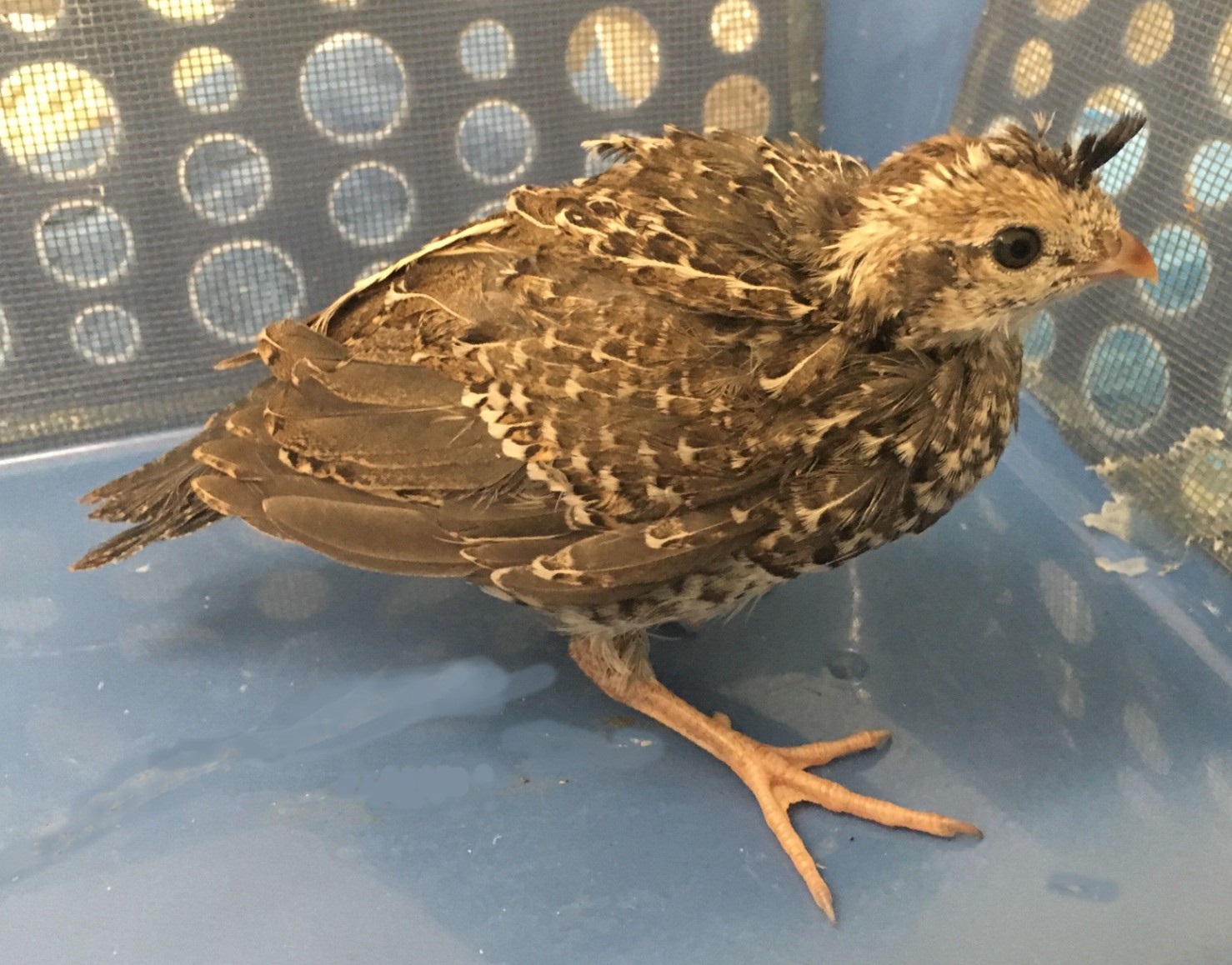
California Quail
Photo by Cambria Wells
Since May of 2018, Southern California, as well as parts of Arizona and Utah, have been impacted by a disease called Virulent Newcastle Disease (VND). Formerly known as Exotic Newcastle Disease, VND is an extremely contagious and deadly viral disease of birds. This virus can potentially infect humans but causes only mild conjunctivitis (inflammation around the eyes) and flu-like symptoms that resolve on their own without treatment. This disease primarily impacts poultry species, but no humans have been infected by eating poultry products.
The nervous and respiratory systems are most commonly affected in birds infected with VND. Clinical signs in infected poultry can include sneezing, coughing, nasal discharge, swelling around the eyes, depression, twisting of the neck, difficulty walking, and diarrhea. However, some birds may exhibit sudden death without any preceding clinical signs. Conversely, it is also possible for birds to be infected and shedding the disease without any signs of illness, particularly in psittacine birds (parrots). Some parrots can shed the virus for over a year. The virus is shed in respiratory secretions and feces of infected birds, and can be transmitted via contaminated people, feed, or equipment, as well as directly bird-to-bird.
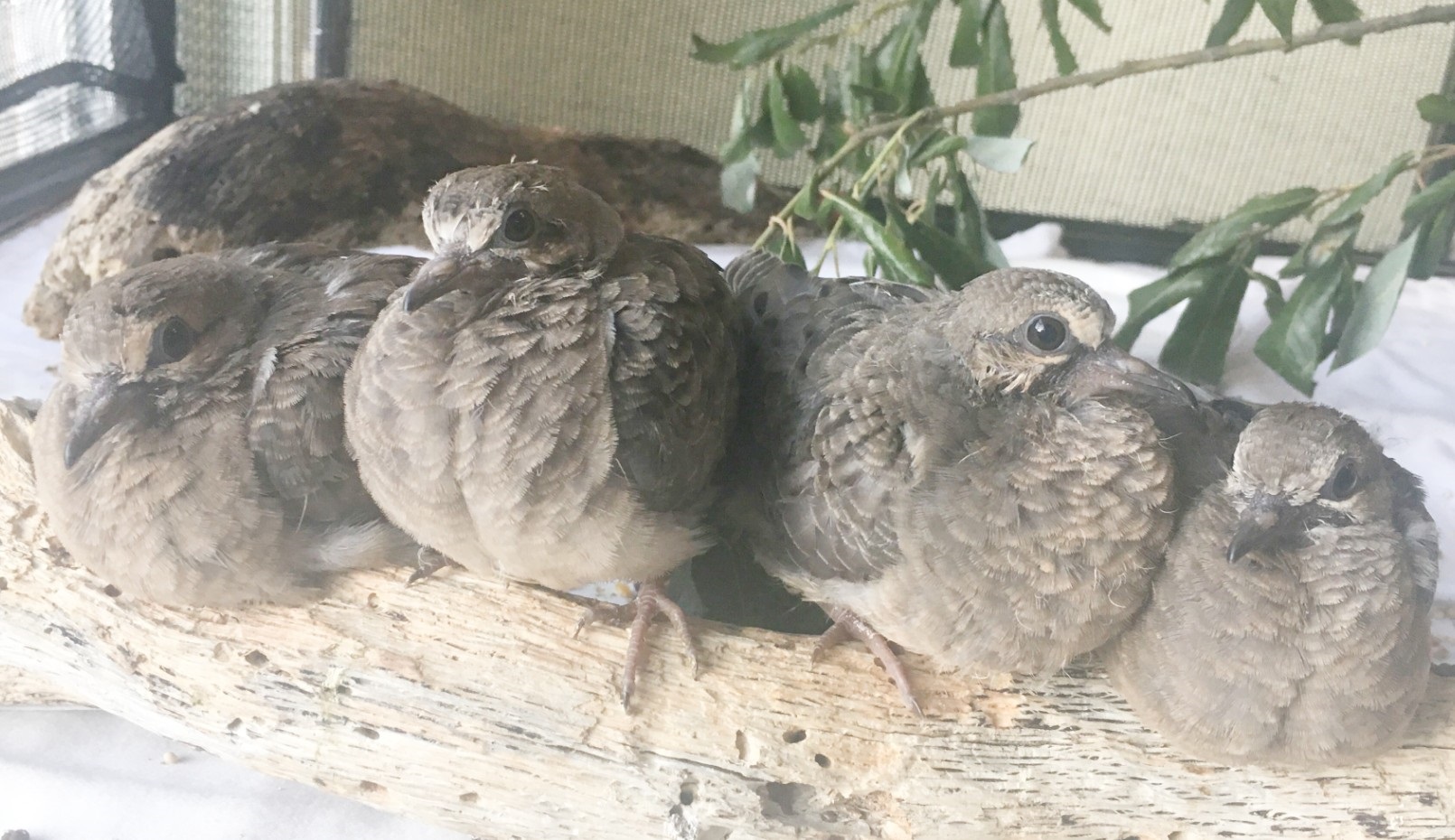
Mourning Doves
Photo by Cambria Wells
Sadly, there is no cure for VND, and prevention is only possible with stringent biosecurity measures. The California Department of Food and Agriculture (CDFA) have put in place strict quarantine and other biosecurity regulations, which can be found on their website at cdfa.ca.gov. These regulations have been significantly impacting both the commercial poultry industry, as well as backyard poultry owners within the quarantine zones of LA, Riverside, and San Bernardino counties. These regulations have also impacted us here at California Wildlife Center. Some of the regulations put forth by both the CDFA as well as California Department of Fish and Wildlife include prevention of the movement of wild poultry species if they have been housed at the same facility as domestic poultry species. Wild poultry species that we treat at CWC include Mourning Doves, Ducks, Geese, Band-Tailed pigeons, and Quail. Every year we have many patients transferred to us by LA county animal shelters; however, because these facilities house domestic poultry, they have not been allowed to transfer us any wild poultry species. Staff and volunteers who own birds at home also have had to practice some biosecurity measures, such as changing shoes and clothes.
Over 400 cases of VND have been confirmed, and over 1.5 million poultry have died or been euthanized due to the outbreak, but no new cases have been confirmed since August 30, 2019. For now, it is still important for everyone working with birds to continue practicing enhanced biosecurity, as the virus will remain in the environment for several more months, but hopefully, no new cases will be detected, and the disease is soon eradicated.