• Link to Facebook
  • Link to X
  • Link to Youtube
  • Link to Instagram
  • Link to Mail
MEDICAL EMERGENCY? CALL: +1 310 458-WILD(9453)
DONATE
California Wildlife Center
  • Home
  • About Us
    • What We Do
    • Our Team
    • Education
  • Animal Resources
    • Medical Emergency
    • Co-Existing with Wildlife
    • FAQ
    • Animal Profiles
    • Gallery
  • Support Us
    • Ways to Support Us
      • Donate & Support Wildlife
      • Conservation Circle
      • Sponsor an Animal
      • Our Wish List
      • Other Ways to Give
  • Get Involved
    • Employment
    • Volunteer
      • Become a Volunteer
      • Internships
      • Externships
  • Events
  • News & Blog
    • In the News
    • Newsletters
    • Patient of the Week
    • Edison
    • From the Community
    • Videos
    • Gallery
    • Media Requests
  • Contact
  • Store
  • Click to open the search input field Click to open the search input field Search
  • Menu Menu

Newcastle Disease Impacts CWC

September 4, 2019/in Birds, Wildlife Medicine

By Dr. Stephany Lewis, Veterinarian

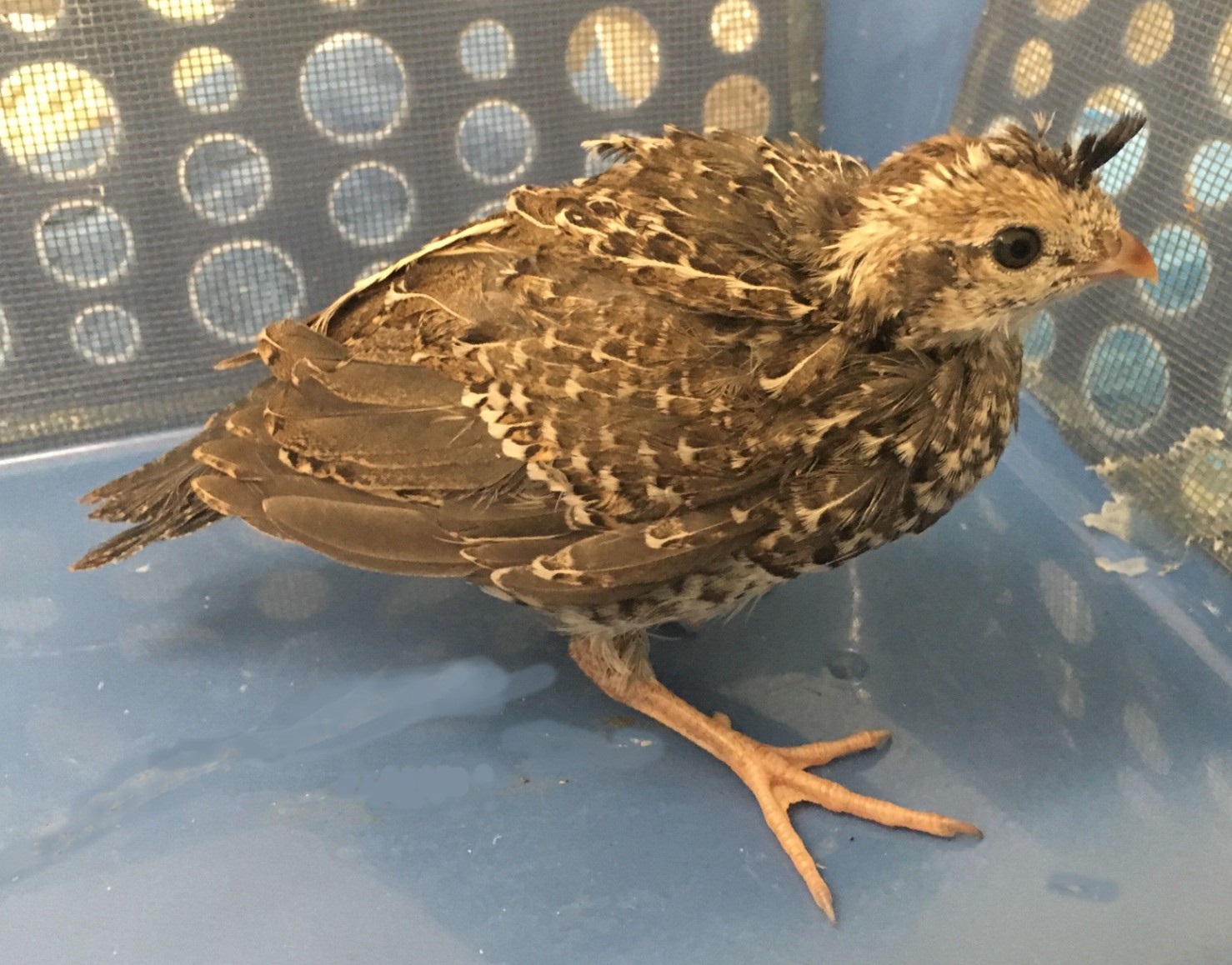
California Quail
Photo by Cambria Wells

Since May of 2018, Southern California, as well as parts of Arizona and Utah, have been impacted by a disease called Virulent Newcastle Disease (VND). Formerly known as Exotic Newcastle Disease, VND is an extremely contagious and deadly viral disease of birds. This virus can potentially infect humans but causes only mild conjunctivitis (inflammation around the eyes) and flu-like symptoms that resolve on their own without treatment. This disease primarily impacts poultry species, but no humans have been infected by eating poultry products.

The nervous and respiratory systems are most commonly affected in birds infected with VND. Clinical signs in infected poultry can include sneezing, coughing, nasal discharge, swelling around the eyes, depression, twisting of the neck, difficulty walking, and diarrhea. However, some birds may exhibit sudden death without any preceding clinical signs. Conversely, it is also possible for birds to be infected and shedding the disease without any signs of illness, particularly in psittacine birds (parrots). Some parrots can shed the virus for over a year. The virus is shed in respiratory secretions and feces of infected birds, and can be transmitted via contaminated people, feed, or equipment, as well as directly bird-to-bird.
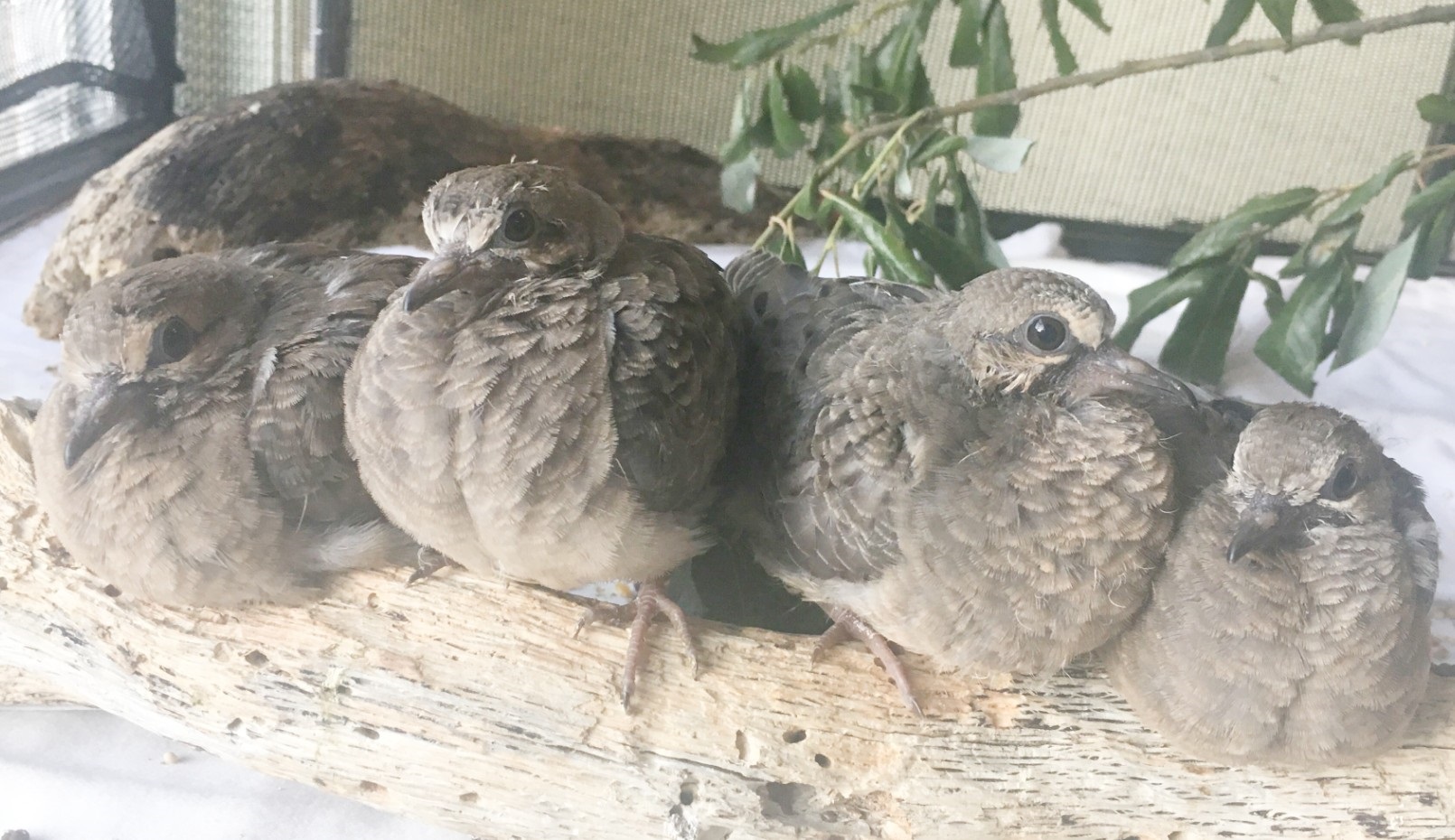
Mourning Doves
Photo by Cambria Wells

Sadly, there is no cure for VND, and prevention is only possible with stringent biosecurity measures. The California Department of Food and Agriculture (CDFA) have put in place strict quarantine and other biosecurity regulations, which can be found on their website at cdfa.ca.gov. These regulations have been significantly impacting both the commercial poultry industry, as well as backyard poultry owners within the quarantine zones of LA, Riverside, and San Bernardino counties. These regulations have also impacted us here at California Wildlife Center. Some of the regulations put forth by both the CDFA as well as California Department of Fish and Wildlife include prevention of the movement of wild poultry species if they have been housed at the same facility as domestic poultry species. Wild poultry species that we treat at CWC include Mourning Doves, Ducks, Geese, Band-Tailed pigeons, and Quail. Every year we have many patients transferred to us by LA county animal shelters; however, because these facilities house domestic poultry, they have not been allowed to transfer us any wild poultry species. Staff and volunteers who own birds at home also have had to practice some biosecurity measures, such as changing shoes and clothes.

Over 400 cases of VND have been confirmed, and over 1.5 million poultry have died or been euthanized due to the outbreak, but no new cases have been confirmed since August 30, 2019. For now, it is still important for everyone working with birds to continue practicing enhanced biosecurity, as the virus will remain in the environment for several more months, but hopefully, no new cases will be detected, and the disease is soon eradicated.
https://cawildlife.org/wp-content/uploads/2026/05/CWClogo.png 0 0 protectanimals https://cawildlife.org/wp-content/uploads/2026/05/CWClogo.png protectanimals2019-09-04 17:21:372019-09-05 21:42:41Newcastle Disease Impacts CWC

Red-Shouldered Hawk with Anticoagulant Rodenticide Toxicosis

June 10, 2019/2 Comments/in Birds, Terrestrial Animals, Wildlife Medicine

By Dr. Stephany Lewis, Veterinarian

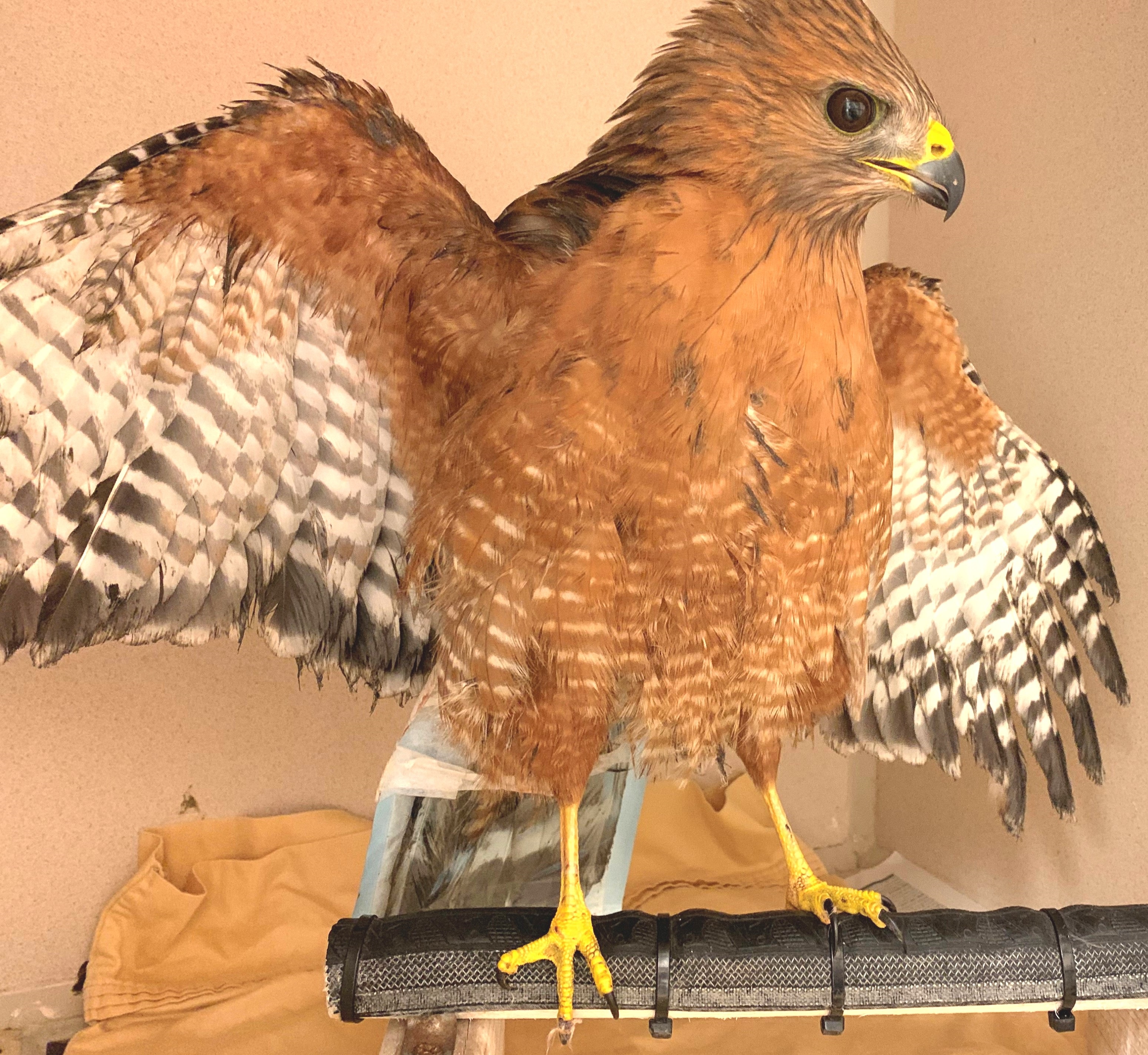
This winter, CWC admitted an adult male Red-Shouldered

Red-Shouldered Hawk
Photo by Johanna Molina

Hawk after he was found on the ground in Santa Monica, too weak to fly. On physical examination, his only injury was a very small laceration on his toe, only about 5 mm in length, yet his feathers were completely soaked with blood and the laceration was actively bleeding. The mucous membranes in his mouth were pale white, and he was so weak that he couldn’t stand, wouldn’t open his eyes, and was barely responsive to external stimuli. A small amount of blood was collected from the bird for some basic bloodwork. He was found to be severely anemic, with 5 times less red blood cells than normal.

Sadly, those of us working in wildlife rehabilitation know that there is only one thing that could cause these clinical signs in a bird of prey. This bird was suffering from anticoagulant rodenticide toxicosis. Anticoagulant rodenticides are rat poisons that cause death to rodents by preventing their ability to clot their blood. Non-target species, such as Hawks, Owls, Bobcats, Coyotes, and Mountain Lions are exposed to these compounds by ingesting the rodents that have eaten these poisons. The poisons do not kill the rodents immediately, but rather slowly weaken them and make them easier prey. Some of these compounds, such as brodifacoum, difethialone, and bromadiolone, are known as “second generation anticoagulant rodenticides”. These compounds were invented in the 1970s in response to rodents becoming resistant to the “first generation” compounds, such as warfarin. One of the differences between the first and second generation rodenticides is also what makes the second generation compounds so much more dangerous for wildlife; they last for a very long time in the body. This means that non-target wildlife species can ingest multiple small doses over long periods of time until they build up levels high enough that they are no longer able to clot their blood. This has disastrous consequences. Animals can bleed into their lungs, causing severe distress, as well as into their brains, eyes, joints, and muscles, causing severe pain and permanent disabilities. Or, like our Red-Shouldered Hawk patient, they can lose all of their blood through what should be an inconsequential wound. Additionally, Bobcats and Mountain Lions are believed to suffer deleterious impact on their immune systems due to chronic exposure to these poisons, making them more susceptible to illness and death from infectious diseases such as mange.

Luckily for our Red-Shouldered Hawk patient, there is an antidote to these poisons, and it is just a simple vitamin, vitamin K. This treatment needs to be given daily for four weeks. Additionally, he received fluid therapy for the first week (a blood transfusion would be the preferred treatment but is unfortunately not an option for our unique patients). This bird actually had a catheter placed into a bone in his wing to quickly replenish blood volume and blood pressure after such drastic blood loss.

Forty-three days after he arrived, our Red-Shouldered Hawk had normal bloodwork, was well-conditioned, flying beautifully in one of our flight pens, and ready to be released! This was a wonderful outcome for this patient, but sadly most of the rodenticide victims who come to us are not as lucky. Because they arrive very late in the course of their illness, the majority of them pass away in the first 24 hours, before our vitamin K therapy has had time to work. Every patient who passes away due to rat poison is submitted for examination by biologists at the California Department of Fish and Wildlife to confirm the cause of death and aid research proving how damaging these poisons are to our native wildlife. The exposure frequency of wildlife to these compounds continues to be astounding, despite previous legislation made to limit their use. Scientists continue to detect these compounds in anywhere from 79 to 100% of animals tested, and in many cases, 3 – 6 different compounds are detected in the same individual.

Anticoagulant rodenticides pose a substantial and far-reaching threat to wildlife and ecosystem health. A California bill, AB1788, has reached the State Senate, and if passed will greatly restrict use of these poisons in our state. CWC is so grateful for everyone who has been working tirelessly to get this bill passed, and we hope you join us in urging your senator to pass this important legislation! Our wildlife deserves poison-free food!

https://cawildlife.org/wp-content/uploads/2026/05/CWClogo.png 0 0 protectanimals https://cawildlife.org/wp-content/uploads/2026/05/CWClogo.png protectanimals2019-06-10 21:15:302019-06-11 20:52:12Red-Shouldered Hawk with Anticoagulant Rodenticide Toxicosis

Oh Deer! CWC Helps a Deer Impacted by Plastic Waste

December 14, 2018/2 Comments/in Terrestrial Animals, Uncategorized, Wildlife Medicine

By Dr. Stephany Lewis, Veterinarian

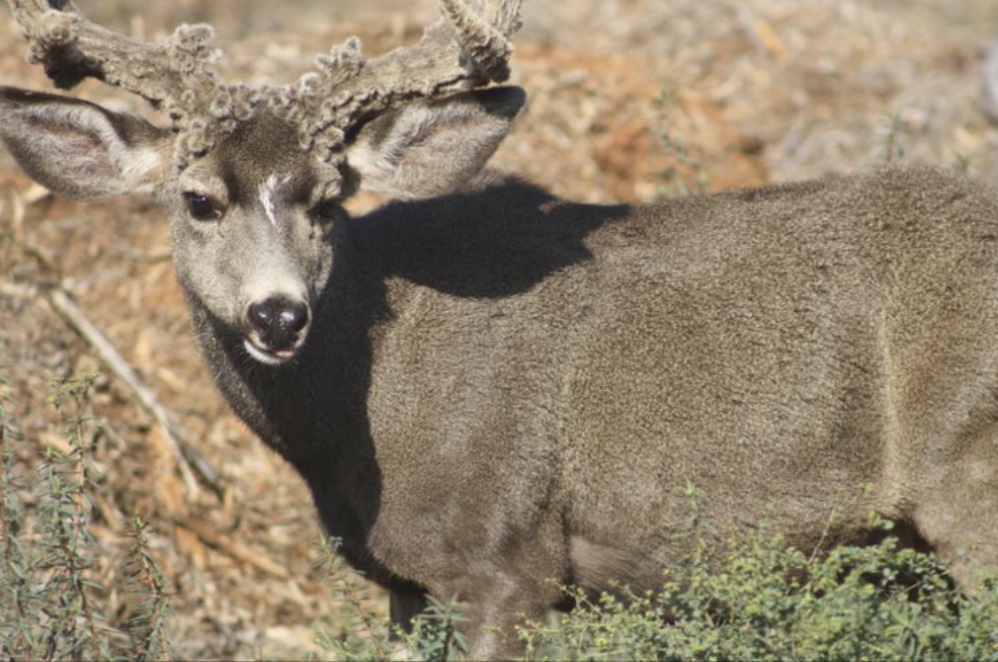
This Mule Deer buck had a plastic pipe stuck on his leg. Photo by Heather Henderson

This fall the California Wildlife Center was given a unique opportunity to help a Mule Deer buck who had gotten PVC piping entrapped on one of his legs. A caring citizen named Brenda Robinson contacted our hospital manager, Denys Hemen, regarding this buck in need of help. The buck spent much of his time with a herd at the Getty Villa, and a few days prior Brenda had noticed that the animal had gotten a piece of white PVC piping trapped just above his hoof. He was licking at the area and had begun to limp on the leg.  Brenda was worried that this animal was in pain and would eventually be weakened to the point that he could fall prey to coyotes or mountain lions known to be in the area.

After learning of the situation, Denys and I visited with Brenda at the Getty Villa to observe the Deer and see if it would be feasible for us to help the animal. Brenda knew exactly where the herd would be throughout the morning, and he was so accustomed to her presence that we were able to observe him from a reasonable distance. We were excited to be able to potentially help this animal, and after organizing with biologist Amelia Viera at the California Fish and Wildlife Service, we were scheduled to return on the morning of October 30th to sedate the Deer and remove the plastic pipe from his leg.

The morning of October 30th, the group of us involved in the procedure as well as grounds crew at the Getty Villa, met just before sunrise to discuss the plan of action. Immobilizing an adult Deer in the field requires quite a bit of preparation, and it’s extremely important that everyone involved knows each step in the procedure, what to expect, what could go wrong, and what their responsibilities are.

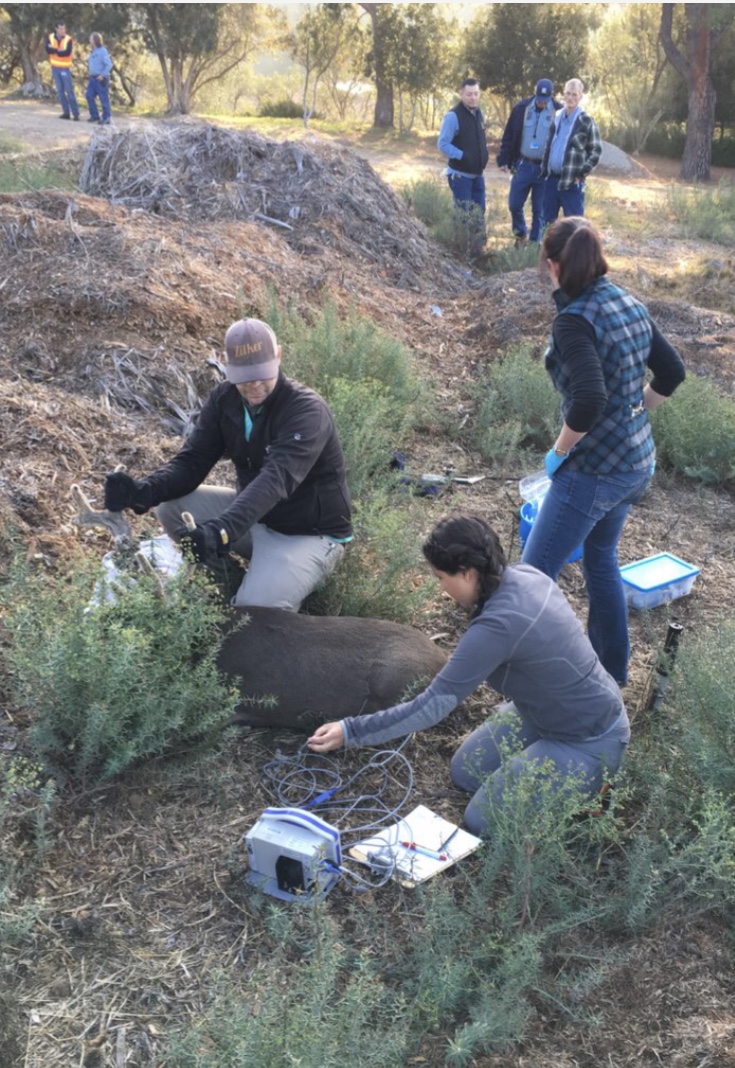
The deer was sedated so the pipe could be removed. Photo by Heather Henderson

The grounds crew quickly located the buck for us, and I was able to get into a position to successfully dart the animal. Our dart gun at CWC is a simple carbon dioxide-powered rifle (sort of a glorified blowpipe), and the darts are pressurized with air so that when the needle enters an animal’s skin, a rubber sleeve is pushed off small holes on the side of the needle, and the drugs are quickly injected right after impact. The Deer was darted in the hindquarters with a combination of sedatives, half of which were reversible, and the other half were short-acting. He trotted off a few meters after darting, but we were easily able to watch him as the sedation was taking effect. His close-knit herd stayed by his side the entire time until I approached. About 15 minutes after darting, the buck laid down, and we were able to safely approach him. We protected his eyes with lubrication, blindfolded him and placed cotton in his ears to decrease stress and make him less reactive. He was held in a safe position and his vital signs were monitored by Denys and Maria Jose Lopez Jara, a visiting veterinarian from Chile.

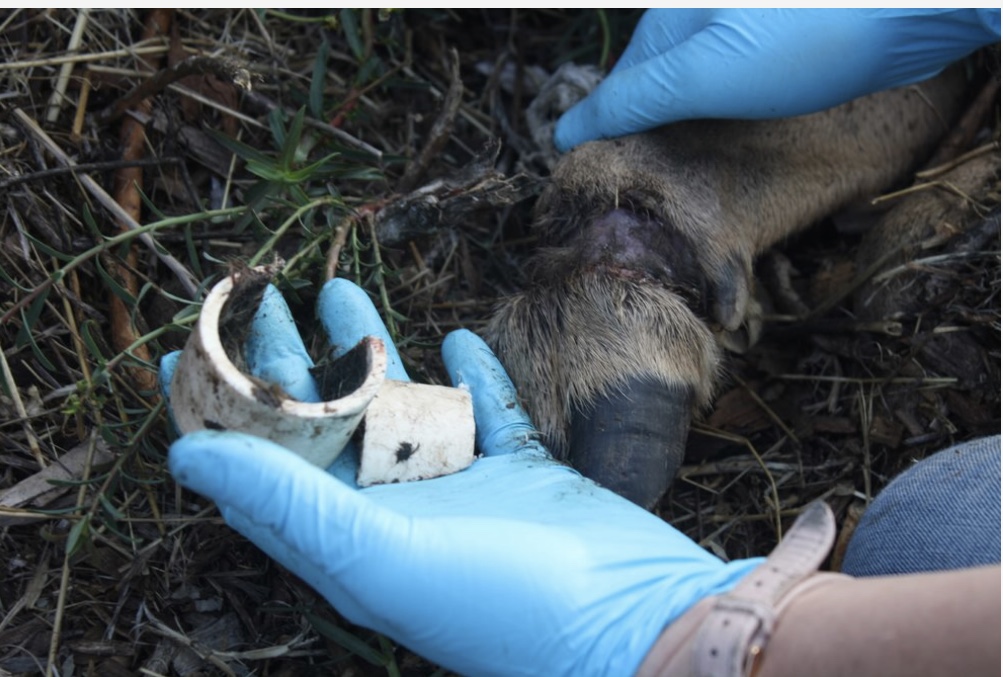
Staff was able to remove the restrictive pipe from the Deer’s leg. Photo by Stephany Lewis

The PVC pipe was quite tight around the Deer’s leg, around the pastern area, which is just above the hoof and below the fetlock joint. It has caused several large wounds on the leg around its entire circumference, but none so severe that we did not think he could recover once it was removed. Heather Henderson, our marine mammal stranding coordinator, removed the pipe with a coping saw, starting between the pipe and the leg and sawing outward to avoid causing further trauma. The wounds were clipped of dirty hair, cleaned, flushed, and an antiseptic ointment was applied. The buck then received an injection of a long-acting antibiotic, a pain medication, and reversal of the sedation.

It took just over a half hour after reversing the sedation for the buck to start to stand and walk on his own. While he was recovering, one of his herd-mates, a little doe, came to check on him! He spent most of the rest of the day relaxing with his herd, but has since been up and about, no longer in pain. We are still receiving updates from Brenda, and the buck is doing fabulously! We are so thrilled to have been able to help this animal, and hope this serves a reminder to everyone to please be neat and remove your trash!

https://cawildlife.org/wp-content/uploads/2026/05/CWClogo.png 0 0 protectanimals https://cawildlife.org/wp-content/uploads/2026/05/CWClogo.png protectanimals2018-12-14 23:23:142018-12-14 23:24:39Oh Deer! CWC Helps a Deer Impacted by Plastic Waste

Meet Patient 1311: A Comprehensive Care Success Story

August 14, 2018/1 Comment/in Birds, Wildlife Medicine

by Jennifer Brent, Executive Director

You have heard their calls and seen them soaring high above the oak forest here in Southern California. These hawks are common across North America, though those found in California tend to be redder than elsewhere.

It’s only seven months into 2018, and it seems likely that the year is going to bring us an unprecedented number of Red-shouldered Hawks. So far, we have seen 12 of these majestic patients, in comparison to the last two years’ numbers of 15 and 17 admissions.

On May 7, Patient 1311, a Red-shouldered Hawk unable to fly, was recovered—literally–on Van Nuys Boulevard in Pacoima and brought to the East Valley Animal Care Center, where one of our volunteers picked her up. Upon arrival, staff veterinarian Dr. Stephany Lewis determined that the bird had suffered a left midshaft major and minor carpometacarpal fracture (in humans, a break near the wrist, where it meets the hand on the thumb side). At just 436 grams (slightly less than one pound), she was also underweight.

The next day, she was given pain medication and splinted. A few days later, she was anesthetized so that the area could be cleaned and the broken bones pinned, and she was given more analgesics and antibiotics. On CWC’s use of pharmacology in birds, Dr. Lewis states, “Our avian patients are placed on many of the same medications that are prescribed to dogs, cats, or even humans. Due to the physiology of birds and their much higher metabolic rate, often the doses are quite different. Dosing medications, particularly pain medications, for the number of species we see here can be a real challenge. This is an active area of study, so we are always trying to stay on top of the latest research.”

In wildlife medicine, we are often called upon to anesthetize animals for exams, because of the incredible stress they experience and for the safety of the handler performing the requisite intensive palpitating. A week after pinning, Director of Animal Care Dr. Duane Tom again anesthetized Patient 1311 for an exam to ensure that the pins were still in place. Three weeks later, because of excellent progress, Dr. Tom again anesthetized her to remove the pins. The wing was then wrapped to continue healing.

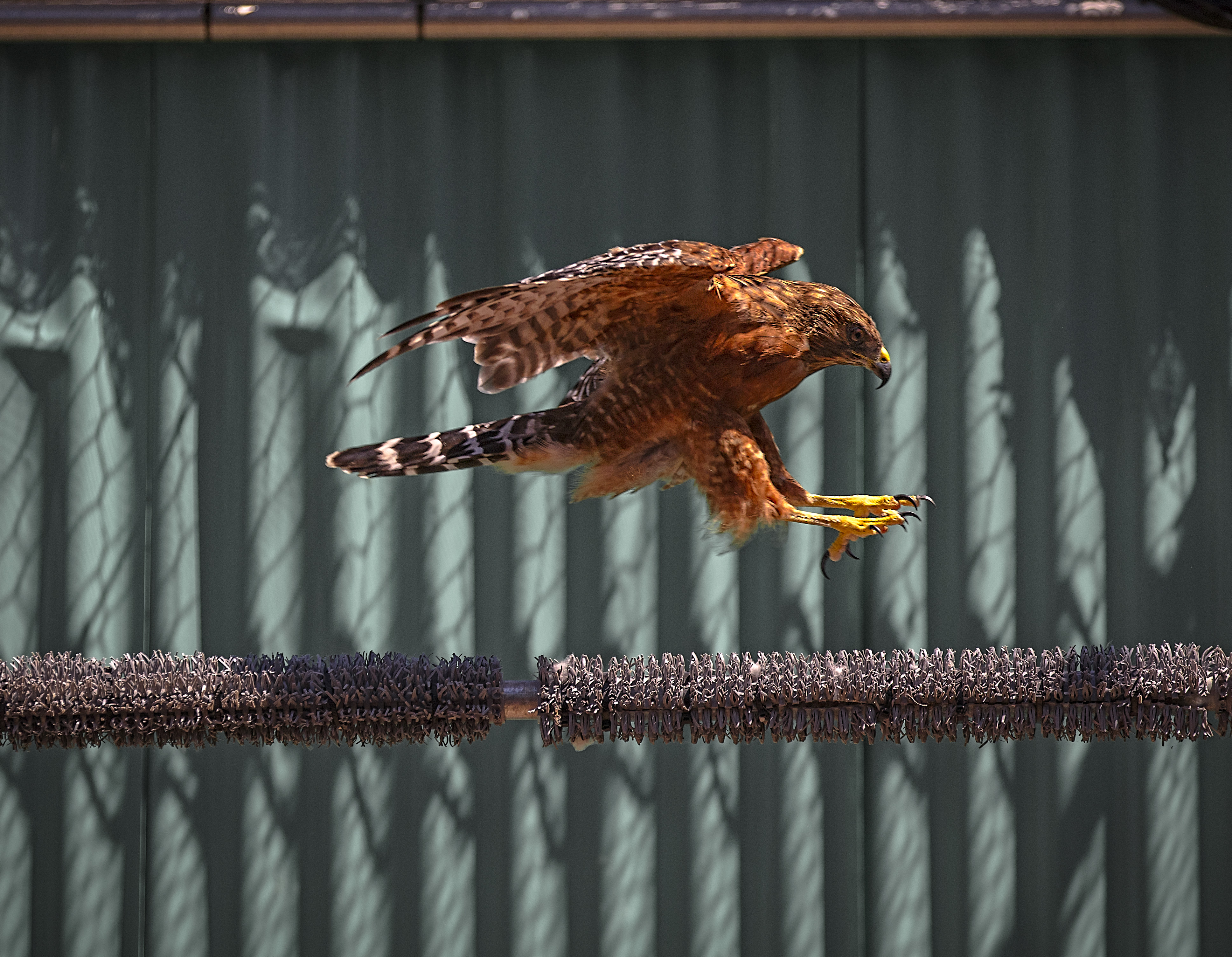
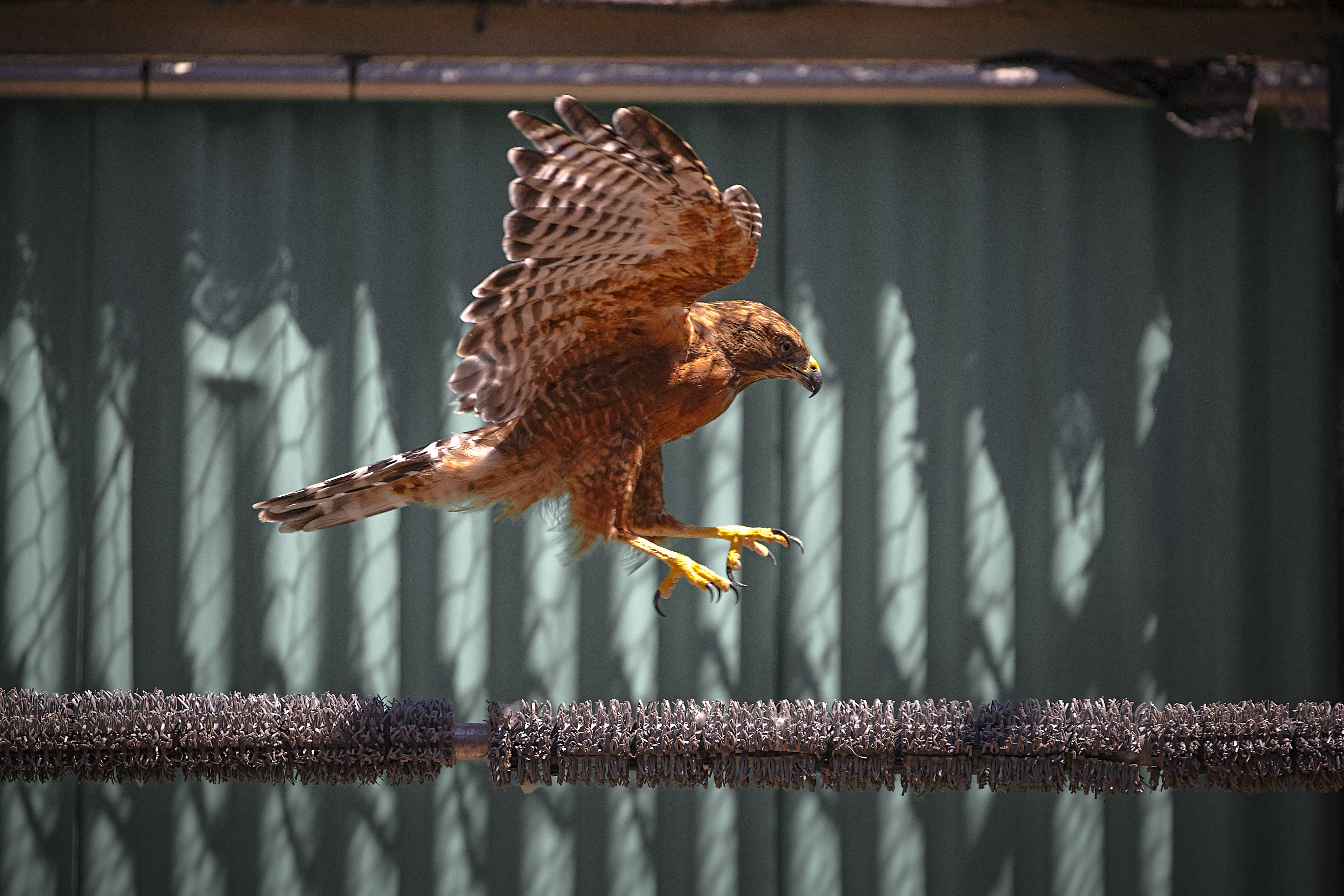
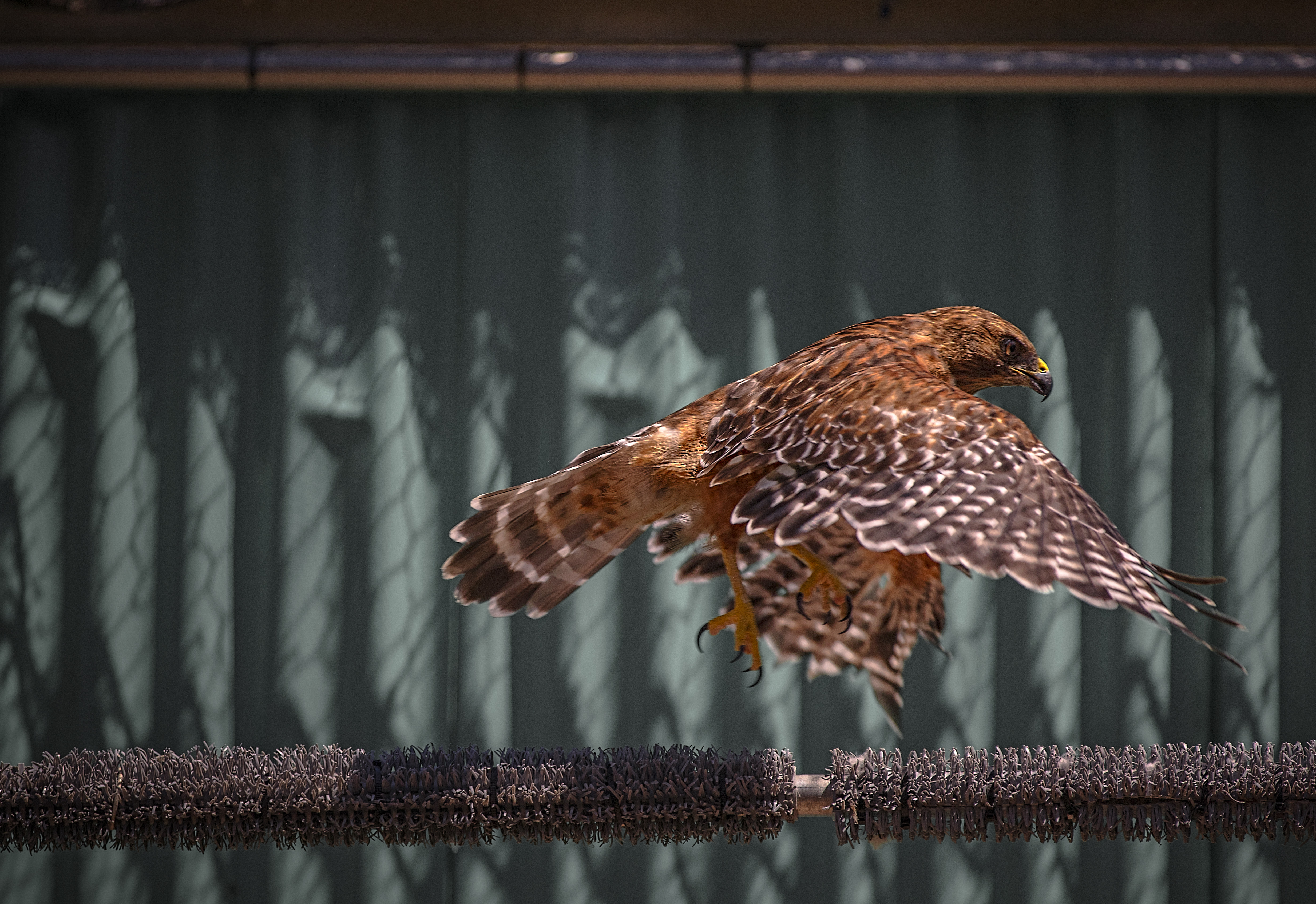
The Red-shouldered Hawk continued to recover well, showing good appetite and range of motion. The vets decided that she was ready to move to a lower enclosure that allows for more space and freedom, to begin physical therapy and desensitization to humans. The wing wrap was removed, and she was transferred to a lower enclosure on June 21. There Hawk 1311 was soon seen to fly on her own for the first time since being in our care. Her initial flights showed that she was able to gain good height but was somewhat crooked in flight.

The Red-shouldered Hawk practices her flying. Photos by Paul Simon Needham

On July 13, Diana Mullen, a highly-experienced volunteer who assists us by creancing injured birds, took her out for a test flight. Creancing involves attaching leather straps (jesses) to the bird’s lower legs and then attaching these jesses to a line up to 300 feet in length. Though tethered to the handler, the bird is still able to gain altitude, bank, and land on her own. For birds who have been with us for an extended period of time, these flights prove invaluable to progress, determining any muscle atrophy as well as serving as an assessment of the ability to thrive once released. On her first test, Hawk 1311 flew three times with great symmetry, which boded an excellent prognosis. The next day, Diana again flew her; she continued to make excellent progress.

Because of some damage to the feathers during surgery and while the wing wrap was in place, Hawk 1311 became a candidate for imping, the surgical replacement of damaged or missing feathers with healthy ones; this allows for release while new feathers grow in.

While all these measures taken together might seem rather extreme, they are fairly standard for a raptor that comes to California Wildlife Center with an injury of this type. In our years of experience, we have learned that comprehensive care from exams, surgery, rehabilitation and physical therapy ensures the best chance of a successful return to the wild.

https://cawildlife.org/wp-content/uploads/2026/05/CWClogo.png 0 0 protectanimals https://cawildlife.org/wp-content/uploads/2026/05/CWClogo.png protectanimals2018-08-14 16:34:182018-08-14 16:37:10Meet Patient 1311: A Comprehensive Care Success Story

Innovative Treatment Options for California Sea Lions with Eye Injuries

August 14, 2018/in Marine mammals, Wildlife Medicine

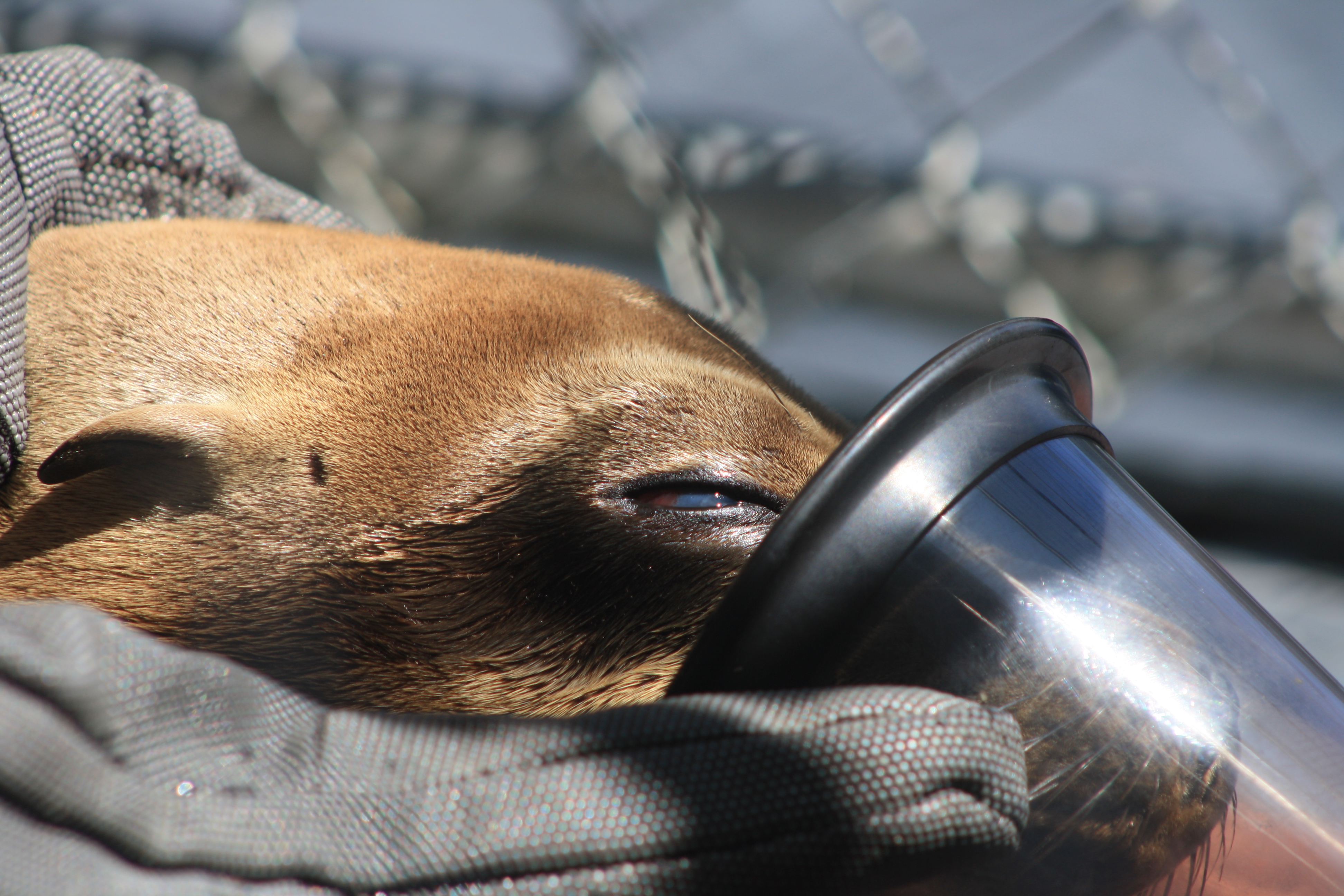
The Sea Lions were sedated for the procedure. Photo by Heather Henderson

by Dr. Stephany Lewis, DVM, Veterinarian

This summer, CWC’s marine mammal team received several California sea lions with eye trauma, a common injury, and it is not uncommon for us to treat several pinnipeds with corneal ulcers and other corneal injuries. Therapy includes topical antibiotics (applied directly to the eye) and, occasionally, oral antibiotics and analgesics.

As you might imagine, our pinniped patients get large and “ornery” rather quickly, so applying topical medications to their eyes every day, multiple times per day, becomes quite challenging! To help alleviate our patients’ stress (and the stress of our marine mammal staff and volunteers!) we decided to try a novel treatment technique, first used with pinnipeds by the Marine Mammal Center in Sausalito, CA, which involves injecting an antibiotic-impregnated gel into the conjunctiva (tissue around the eye).

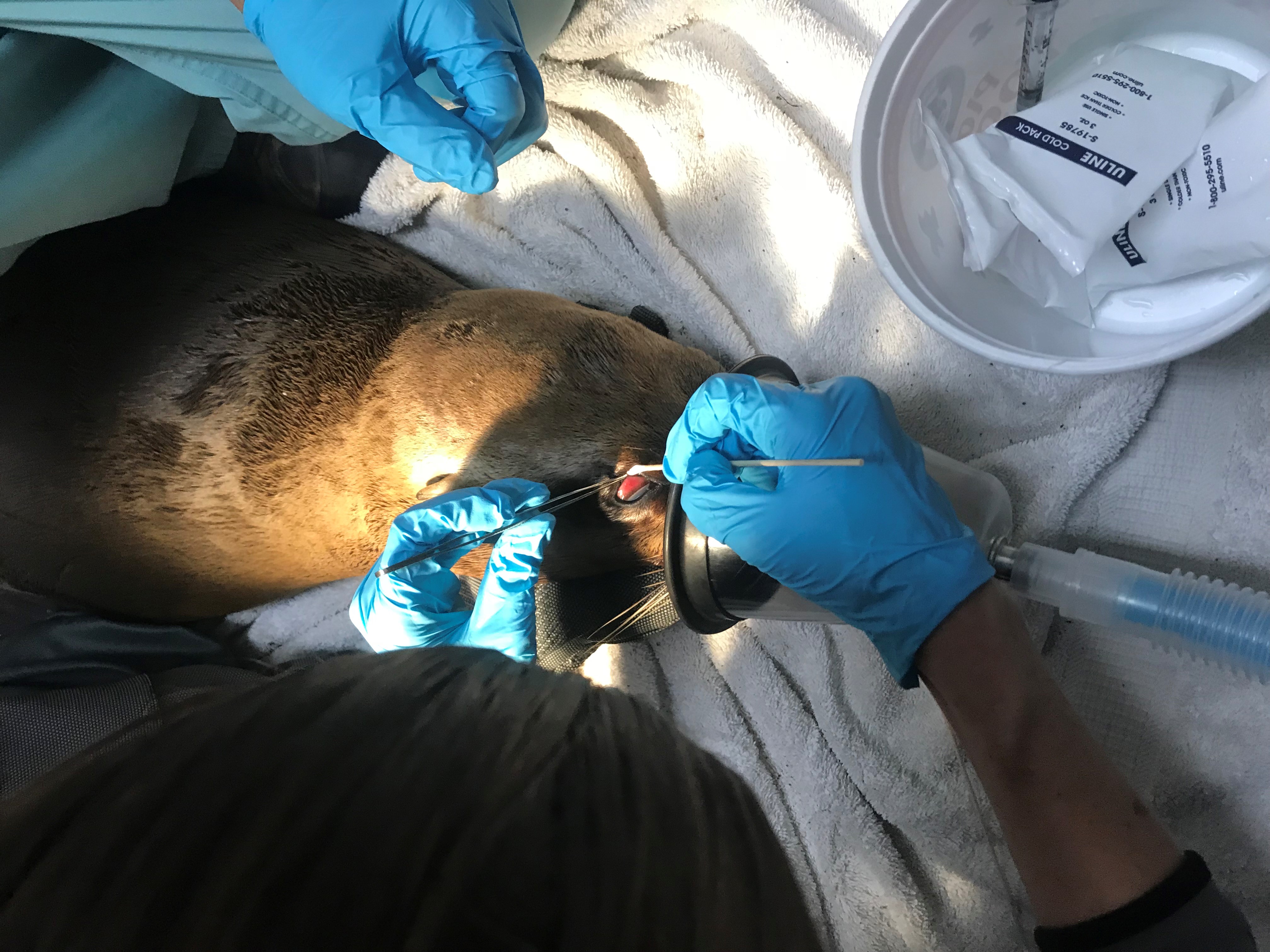
The gel is injected into the conjunctiva. Photo by Stephany Lewis


To implement this technique, we sedated our patients using a combination of injectable sedatives and an inhalant anesthetic. Then we injected a small amount of a thermodynamic antibiotic-impregnated poloxamer gel into the animal’s conjunctiva—and it’s not an easy procedure: the conjunctiva is very thin and very close to the eyeball! The refrigerated injectable is a liquid; it gels once it reaches body temperature.

Over the following couple of weeks, the gel slowly releases the antibiotics onto the animal’s cornea, serving the same function as a daily application of topical antibiotics. Results were promising on all four animals treated, and we will likely apply this technique again in subsequent seasons.


https://cawildlife.org/wp-content/uploads/2026/05/CWClogo.png 0 0 protectanimals https://cawildlife.org/wp-content/uploads/2026/05/CWClogo.png protectanimals2018-08-14 16:21:512018-08-14 16:22:37Innovative Treatment Options for California Sea Lions with Eye Injuries

Crow Feather Imping

September 12, 2017/1 Comment/in Birds, Wildlife Medicine

By Alyssa Schlange, Volunteer and Outreach Manager

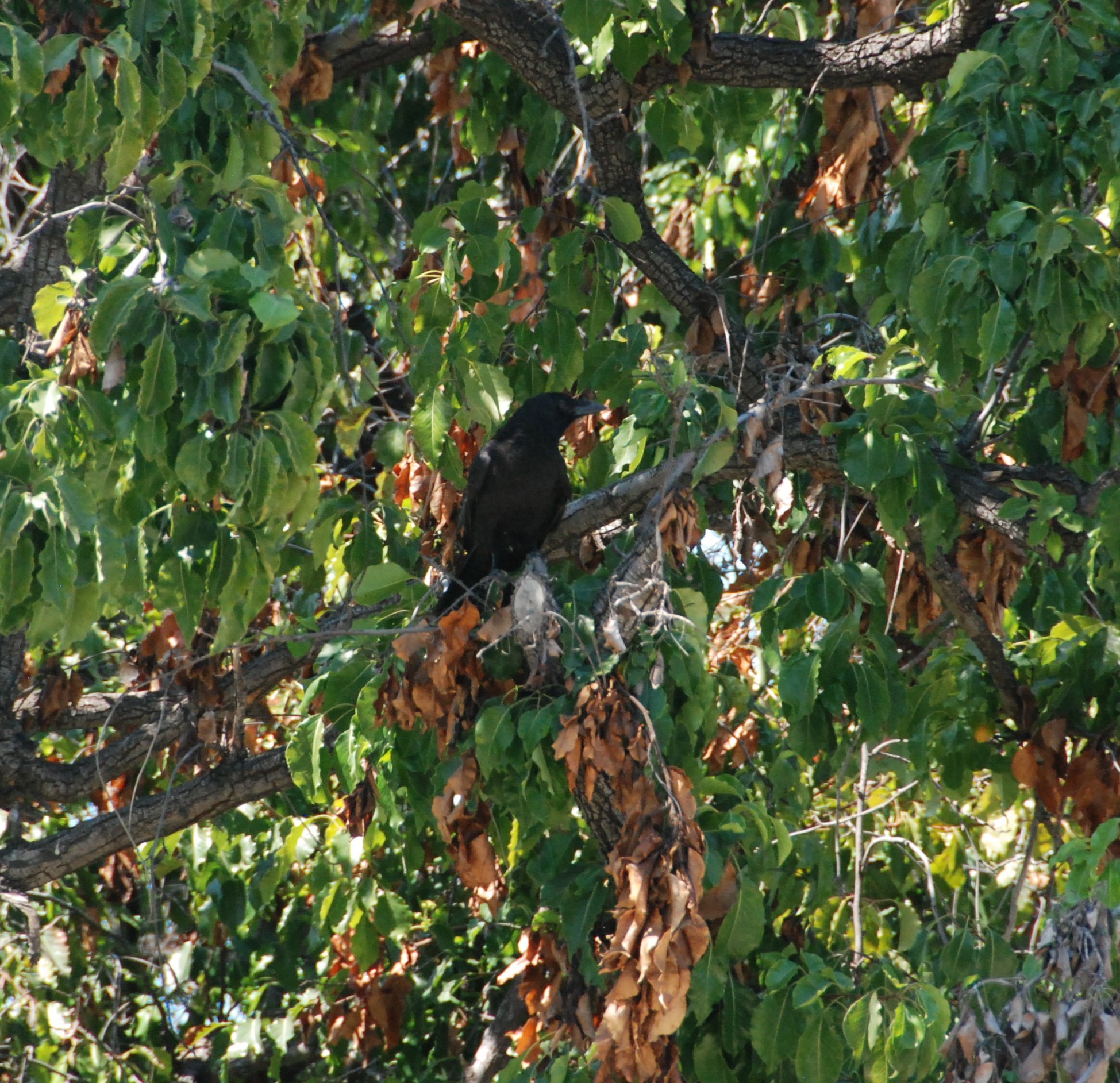
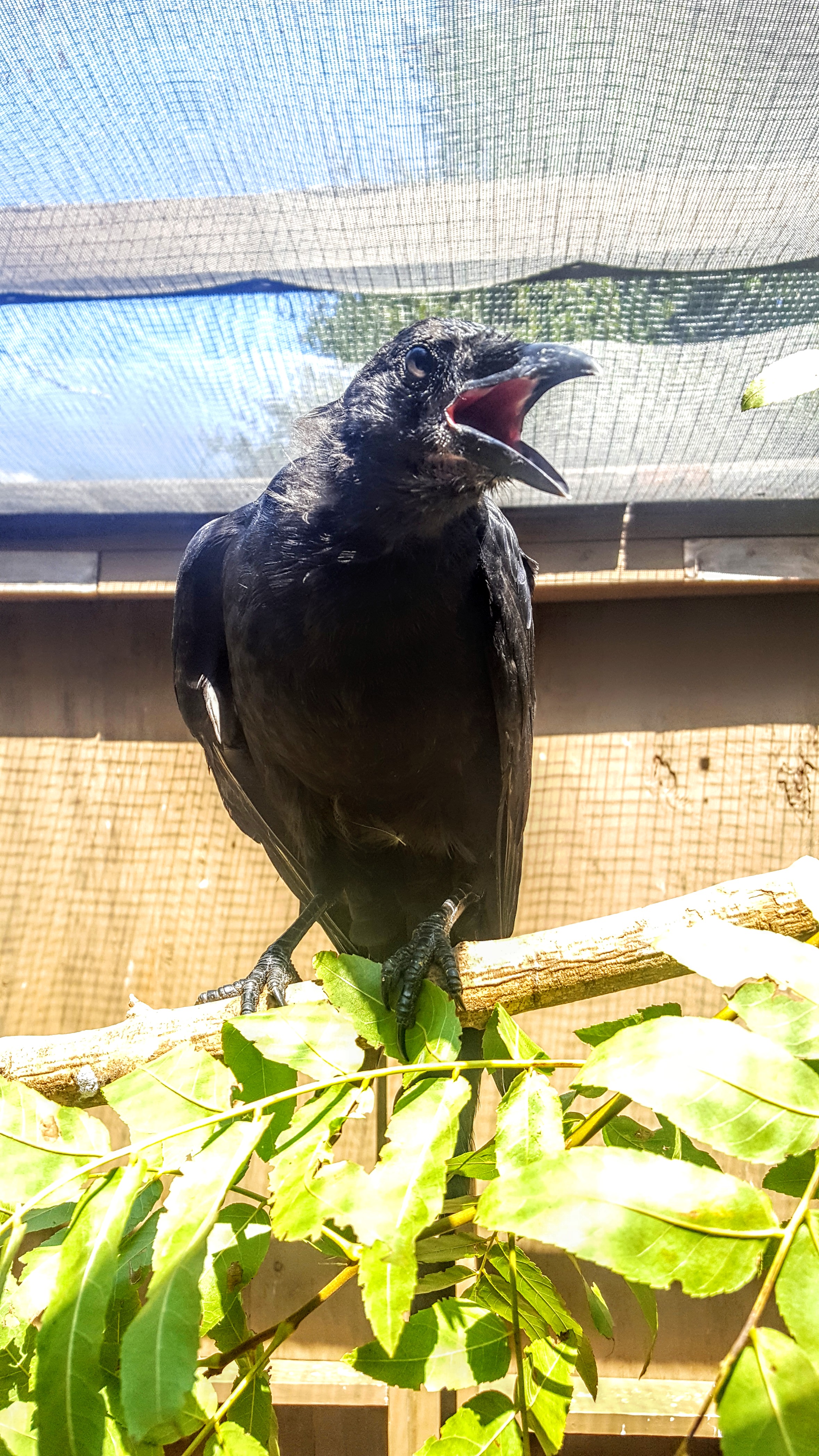
Crow 1476 after release. Photo by Alyssa Schlange

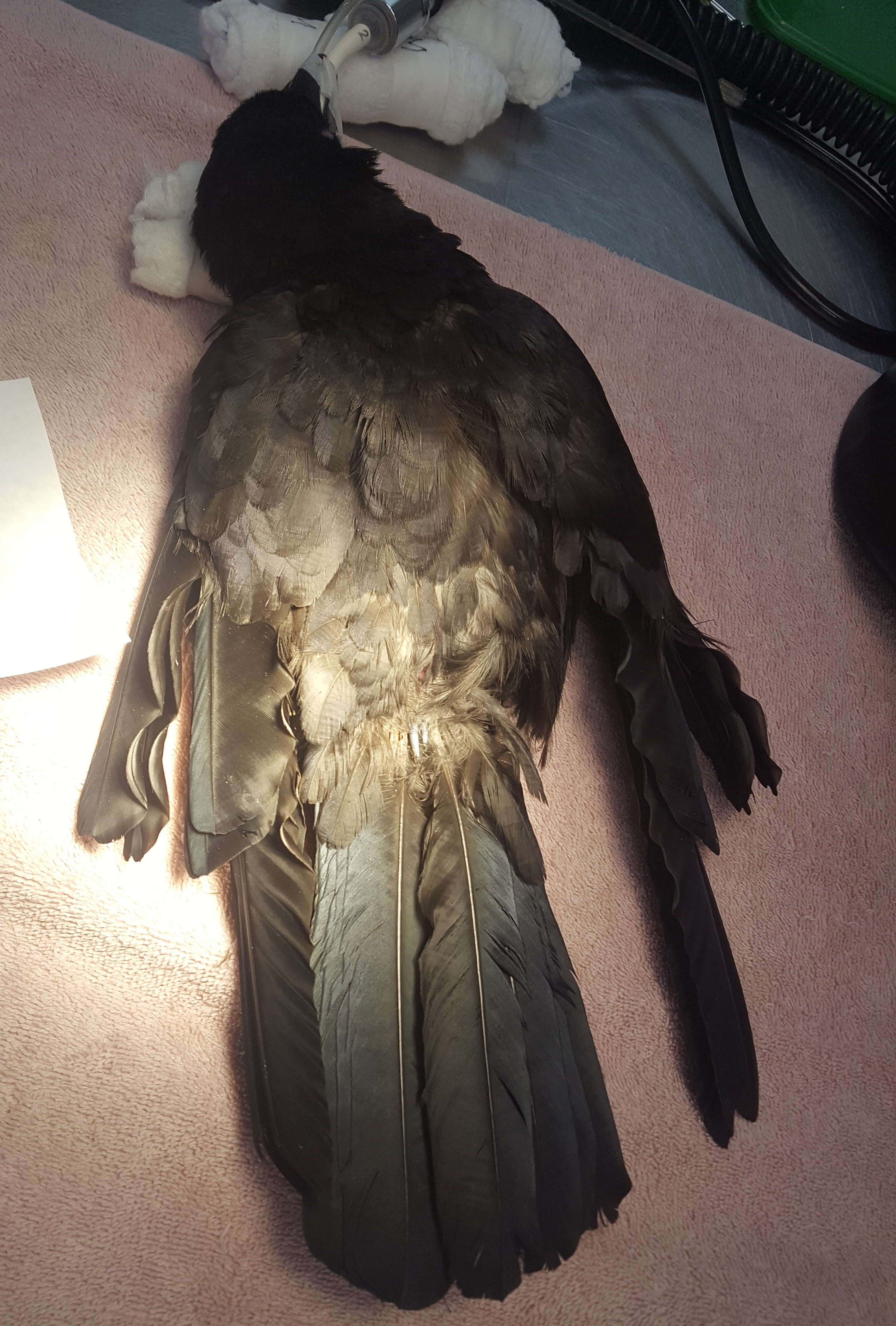
His tail after having broken feathers replaced. Photo by Alyssa Schlange

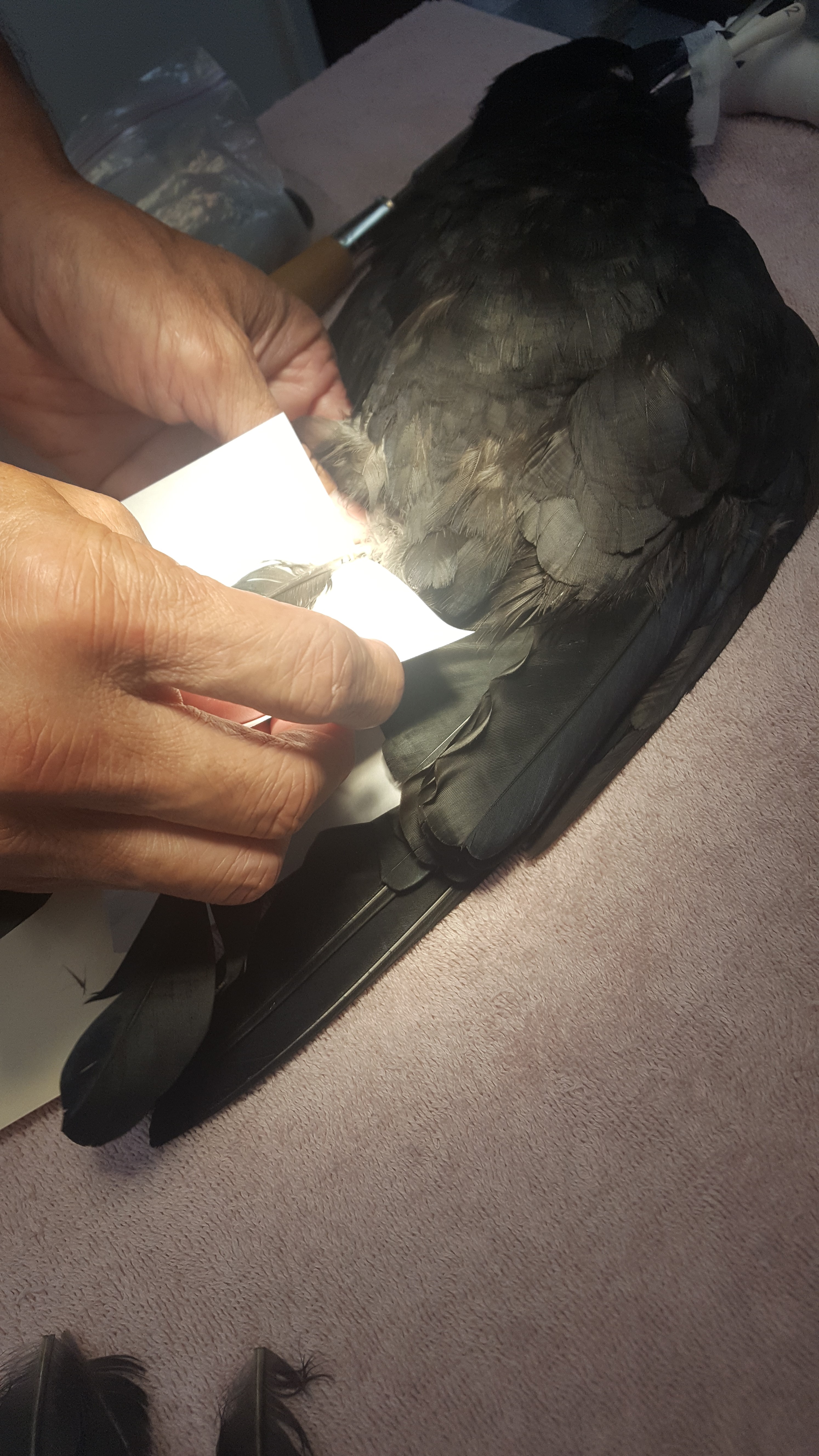
The donor feather is inserted into the shaft of the original feather.
Photo by Alyssa Schlange

American Crow number 1476, came to us on May 13th of this year as an orphan with terrible feather quality, suggesting malnutrition due to abandonment. After three weeks of consistent care and steady weight gain the crow was still not able to fly. Dr. Duane Tom, Director of Animal Care, ascertained that the crow would need the full set of wing primary feathers to be replaced, or imped, and possibly full tail primary feathers as well.

Imping is when we take feathers from a deceased patient with good feather quality and insert them into the feather shafts of the living patient under anesthesia. We remove the patient’s bad or broken feathers and glue the new feathers in, which improves the bird’s flight quality. It allows the birds to maintain muscle tone and flight ability while recovering, better preparing them for release when other injuries are healed. Imping is a life-saving but complex procedure, as the donor feather must match the recipient in age, size, and sex. The feathers are carefully inserted at particular angles so that it mimics the degrees of the original feathers that allow the birds to soar.

On June 5th Dr. Tom and his team of preceptors (fourth year veterinary students) imped the crow’s wings in a procedure that took over 2 hours. While 1476’s flight did improve, he was unable to fly directly to the highest perch so it was decided that we also needed to imp the tail feathers so that he could get more lift in his flight. On July 11th, we imped the remaining tail feathers.

After a few days in the enclosure he was okayed to be released. On July 14th, after being in care for 61 days, he re-entered the wild with 14 other juvenile orphaned crows.

https://cawildlife.org/wp-content/uploads/2026/05/CWClogo.png 0 0 protectanimals https://cawildlife.org/wp-content/uploads/2026/05/CWClogo.png protectanimals2017-09-12 15:45:342017-09-12 17:34:01Crow Feather Imping

West Nile Virus in CWC’s American Patients

September 8, 2017/in Birds, Wildlife Medicine

Photo by Alyssa Schlange

By Melissa Hartman, Administrative Assistant

Of all the American Crow patients we see, 15% carry the disease.

In 2016, California Wildlife Center admitted 238 local American crows for a variety of reasons—chicks apparently abandoned by their parents, fledglings fallen out of a nest too high to allow them to be replaced, adults suffering from broken limbs and open wounds. But more than 40 of these birds came into our Center with troubling symptoms including a lack of balance both at rest and while mobile, weakness, lethargy, even seizures. West Nile Virus—WNV—is listed as the cause of death on 37 of these medical records.

WNV has hit American Crows particularly hard. In the summer of 1999, the disease first appeared in New York City, where a dead crow at the Bronx Zoo foreshadowed what was soon to come. Within four months, tens of thousands of crows perished over the tri-state area. Tests conducted indicated that for this sleek, intelligent bird, the disease was 100-percent fatal. Many other species, from jays to sparrows to finches, also proved susceptible. Within five years, WNV had spread to the Bay Area leaving millions of birds dead in its wake.

Here at CWC we see a significant population presenting with the telling neurological signs of WNV: limb weakness, head twitching, and paralysis. Our treatment is supportive care.  We use anti-inflammatory medications and maintain their nutritional requirements. Mild cases may recover but sadly severe cases seldom do. Those that recover reportedly are immune to future infections by the virus.

WNV At-A-Glance

  • West Nile Virus can be fatal to humans; less than 1% of those infected
  • However, 80% of infected people will not show any symptoms
  • Flu-like symptoms mainly transmitted through mosquito bites, not through other animals
  • Primarily affects birds, but also bats, horses, cats, dogs, chipmunks, skunks, squirrels, rabbits
  • Vaccines are available for horses but not for people

You Can PREVENT WNV

Standing water is the culprit. Reduce the number of mosquitoes around your home by emptying water from gardening containers, buckets, gutters, pool covers, pet water dishes and birdbaths. Monitor sprinkler runoff as well. The most effective way to AVOID WNV is to prevent mosquito bites:

  • Use insect repellents
  • Wear long sleeves and pants from dusk through dawn
  • Install or repair screens

You can help us reduce the number of American Crow admissions by clearing standing water. Make sure in the coming months when mosquito activity is high, you stay safe in the outdoors and have fun!

https://cawildlife.org/wp-content/uploads/2026/05/CWClogo.png 0 0 protectanimals https://cawildlife.org/wp-content/uploads/2026/05/CWClogo.png protectanimals2017-09-08 20:32:352017-09-12 16:45:54West Nile Virus in CWC’s American Patients

Garbage Impacts All Kinds of Animals

May 31, 2017/in Terrestrial Animals, Wildlife Medicine

By Heather Patrice Brown, Development Coordinator

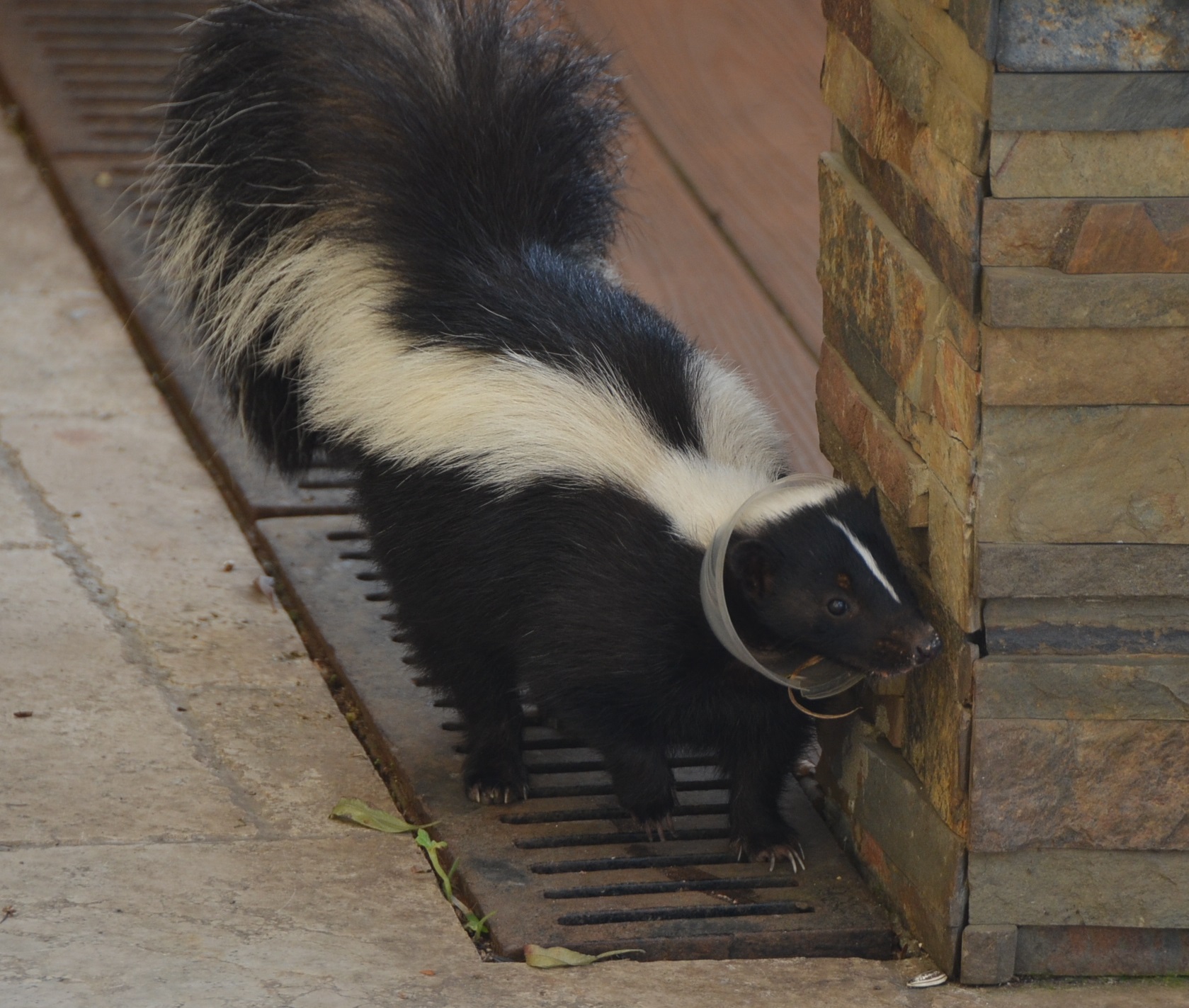
Photo By Jaana Shellock
This poor skunk had a plastic cup in his head that CWC staff was able to remove.

In April, California Wildlife Center was surprised to receive a skunk with a plastic cup stuck over his head.  Volunteer Jaana Shellock first noticed the skunk and with guidance from CWC staff, was able to capture it.  CWC supporter Rick Gunderson was kind enough to drive it to CWC for treatment.  Dr. Duane Tom, California Wildlife Center’s Director of Animal Care, restrained the skunk and cut the cup off his head.  Luckily, the cup had not caused any additional injuries, and the skunk was able to be released to where it had been found that same day.

This skunk was very lucky someone noticed him and was able to bring him to CWC for help.  Unfortunately, CWC staff routinely sees wildlife that have been injured or impacted by garbage.  While most of these animals are tend to be marine mammals, land animals are affected too.  Animals investigate food trash and get entangled in or ingest the paper or plastic.  It is important to be conscientious about how garbage is disposed of and make sure trash cans are securely closed so that we can peacefully coexist with our wild neighbors.


https://cawildlife.org/wp-content/uploads/2026/05/CWClogo.png 0 0 protectanimals https://cawildlife.org/wp-content/uploads/2026/05/CWClogo.png protectanimals2017-05-31 22:27:172017-09-12 15:50:21Garbage Impacts All Kinds of Animals

Snowshoes in the Summer

August 19, 2016/9 Comments/in Birds, Wildlife Medicine

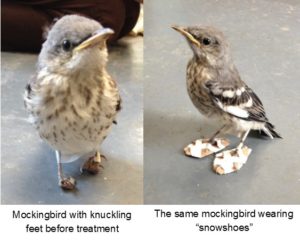
California Wildlife Center recently rescued a Northern Mockingbird whose feet were knuckling, meaning she was unable to open her feet to stand or perch.  This was causingbefore and after snowshoes the bird to have to stand on the tops of her toes which were curled under and causing her additional injury.
CWC veterinary staff created “snowshoes” for the mockingbird to retrain her feet to open and allow the injuries to her toes to heal.  The treatment was successful and the bird is now snowshoe-free and on the road to full recovery!

https://cawildlife.org/wp-content/uploads/2026/05/CWClogo.png 0 0 protectanimals https://cawildlife.org/wp-content/uploads/2026/05/CWClogo.png protectanimals2016-08-19 16:54:132016-08-19 16:54:22Snowshoes in the Summer

Fur Seals of Isla Guadalupe

July 5, 2016/in Marine mammals, Wildlife Medicine

By Staff Veterinarian, Dr. Lorraine Barbosa

This March, I had the amazing privilege of traveling to Isla Guadalupe, a small island off the coast of Baja Mexico, and the primary place in the world where the ESA-listed Guadalupe fur seal breeds. I traveled with a team of scientists from the Centro Interdisciplinario de Ciencias Marinas (CICIMAR-IPN), Sonoma State University, and The Marine Mammal Center, whose research topics included general health assessments, satellite tagging, investigation of environmental and handling stressors, and my project- anesthesia parameters.

Fur Seal Pup by Lorraine Barbosa

Guadalupe fur seals are on the Endangered Species Act list and considered threatened. Photo by Lorraine Barbosa

We traveled first by car to Ensenada, Baja California, Mexico, then by 22hr boat ride to the small volcanic island located 250mi into the vast desolation of the Pacific Ocean. Each morning we made a short trek to the fur seal rookery, a long rocky outcropping where waves whipped against the shores and tides ruled our daily routine. There, we were surrounded by the wailing cries of adult females arriving to the rookery from foraging trips, calling back and forth to their bleating pups until they reunited. The young pups whose mothers were away played and jughandled carefree in the tidepools, while the older pups, who for the most part were plump and healthy, sunned themselves on the rocks before heading off into the ocean on their own adventures.

We rotated between catching pups and adult females, overall anesthetizing 15 seals during our stay. Catching the pups was relatively simple: sneak up and grab them with a net while they slept. Catching the adult females took a bit more finesse. They were much more alert and skittish. One had to spend time sneaking up on them, taking small crouched steps forward each time they closed their eyes for just a moment, and pretending to be disinterested in them each time they opened their eyes to reassess our proximity. Once close enough, one had to quickly net the 55kg of unruly muscle and retain her until the others arrived to help. A face mask was then applied, and Isoflurane gas anesthesia was delivered until the seal slipped into unconsciousness. Once asleep, each researcher set out collecting samples for their various research projects. Meanwhile, I monitored heart rate, respiratory rate, and other vital parameters, ensuring the animal was maintained at a proper level of anesthesia. In the evenings we would assemble in our makeshift living room laboratory, all working together to process the day’s samples, until the electricity would go out at 10pm. The anesthesias progressed smoothly and quickly, and before we knew it, so had our time on the island. As we departed on our final day, the rookery again becoming engulfed by the sounds of the thrashing waves and the howling cries of the fur seals, I knew how lucky I was to have had such an incredible experience, and that I would do it all over again in a heartbeat.
All activities were conducted under permits (DGVS/00050/16) issued to Dr. Fernando Elorriaga Verplancken (CICIMAR-IPN) by the Mexico Secretaría del Medio Ambiente y Recursos Naturales (SEMARNAT) and Comisión Nacional de Áreas Naturales Protegidas (CONANP)-Reserva de la Biósfera Isla Guadalupe.


https://cawildlife.org/wp-content/uploads/2026/05/CWClogo.png 0 0 protectanimals https://cawildlife.org/wp-content/uploads/2026/05/CWClogo.png protectanimals2016-07-05 20:05:242016-07-05 20:05:42Fur Seals of Isla Guadalupe
Page 2 of 3123

LATEST POSTS

  • The Education Corner: RenestingMay 13, 2026 - 11:40 am
  • Rescuing Stranded Marine Mammals during an Outbreak of Avian InfluenzaMay 13, 2026 - 11:38 am
  • Wild BeginningsMay 13, 2026 - 11:33 am
  • Through Darkness back to FlightMay 13, 2026 - 11:30 am

Contact Us

P.O. Box 2022
Malibu, CA 90265
E-mail: admin@cawildlife.org

Contact Us

P.O. Box 2022
Malibu, CA 90265
Hotline Phone: +1 310 458-WILD (9453)
E-mail: admin@cawildlife.org

DONATE TO CWC
CWC Tax ID#95-4580790

SIGN UP FOR OUR NEWSLETTER

CLICK HERE TO SIGN UP

Quick Links

Privacy Policy
Financials & Legal Info

Join us on Facebook!

Categories

BLOG ARCHIVES

© California Wildlife Center | All Rights Reserved | Webmaster SV3 Designs
  • Link to Facebook
  • Link to X
  • Link to Youtube
  • Link to Instagram
  • Link to Mail
Scroll to top Scroll to top Scroll to top

JOIN TODAY


Yes! Keep me updated about the animals at CWC

Enter your email address for the chance to win a private tour of CWC


    Your information will never be shared with a third party